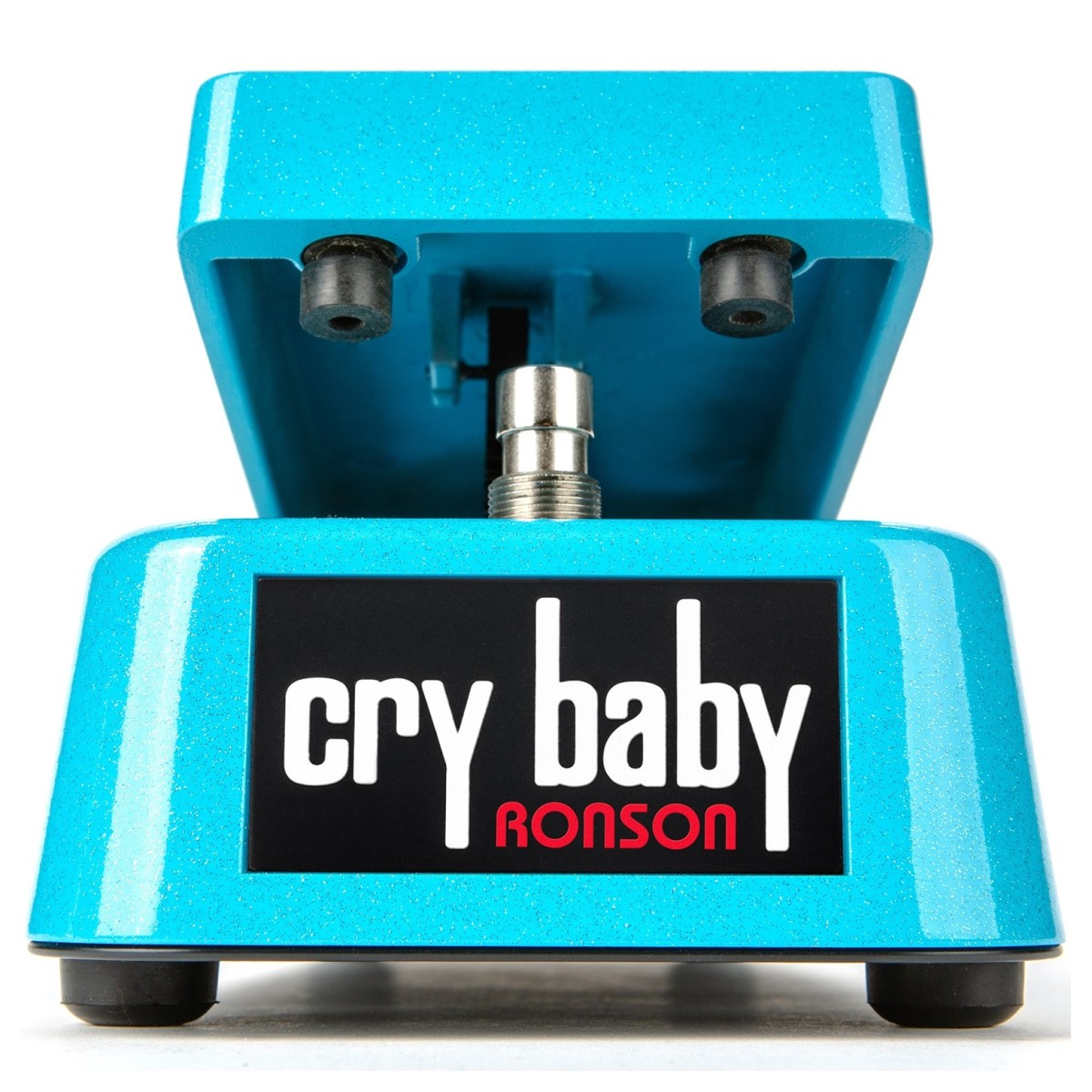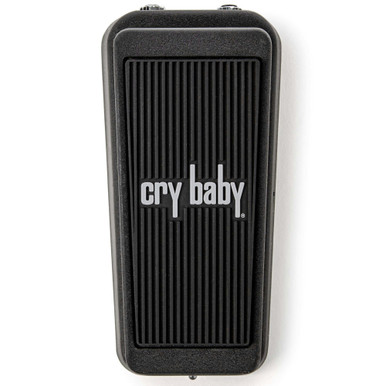

The Mick Ronson Cry Baby Wah taps into the vibrant, melodic character of one of rock ’n’ roll’s most gifted songwriters. Few guitar players have been able to combine a keen musical instinct with a profound grasp of how to bring a composition together like Mick Ronson. Laden with expressive resonance, his arrangements layered deliberately chosen tones and textures to build exquisite melodies and powerful riffs. The Cry Baby Wah, set in a fixed position to serve as a filter, was key to the tone- shaping vision that Ronson used to transform the face of popular music through his work with David Bowie and many others as both an artist and a producer.
We wanted to make that incredible Cry Baby Wah sound available to all players, and legendary producer Bob Rock—a friend and collaborator of Ronson’s—was there to help. He generously loaned us Ronson’s own Cry Baby Wah pedal, an early Italian-made model whose vintage components imbue it with a truly singular sound. Using it as a filter in a fixed position, Ronson recorded many tracks with this pedal, and Rock would go on to use it when recording numerous other artists. With matched specs, tightened tolerances, and a custom inductor, our engineers have recreated this truly special sound.
“You place the wah, and leave it there, and that’s the tone,” Rock says. “It’s all over every record he ever made, and I’ve used it on every record since I got it. Dunlop’s engineers spent the time and sent me the prototypes, and we nailed that sound.”
To capture all of the nuance and detail responsible for Ronson’s unique wah sound, our engineers created a custom inductor that replicates the higher frequency response and subtler peak of the original pedal. The resulting sound offers an exquisitely balanced sonic profile that’s bright and clear with peaks that stay musically smooth. We want every player to get that same experience, so we tightened the inductor tolerance to ensure the closest possible representation of Ronson’s Cry Baby Wah. We have likewise reproduced the fast initial sweep of the potentiometer, which offers an instant reactivity that’s like nothing from the modern era. And it didn’t stop there—the engineering team even included period-accurate low-gain transistors and value-matched resistors that contribute to a truly distinctive EQ curve. This is a pedal that is literally tailor-made for Mr. Ronson’s signature fixed-wah tones.
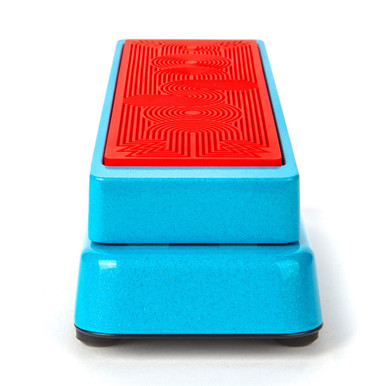
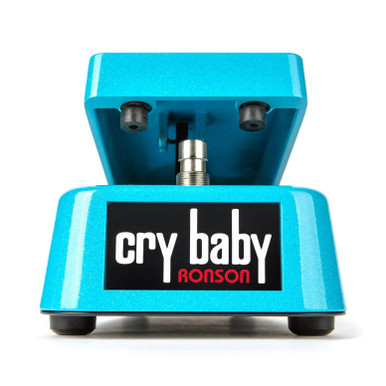
Capping it all off, we’ve adorned the Mick Ronson Cry Baby Wah with a special finish inspired by his work. Dig into the signature tones of one of the greatest to ever pick up the guitar. Get the Mick Ronson Cry Baby Wah.