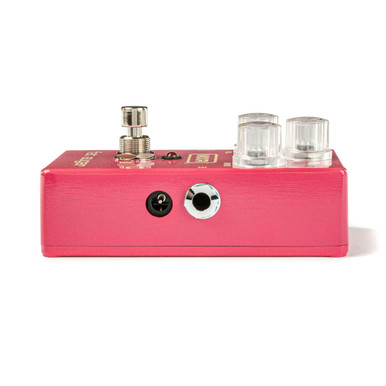
MXR M94 Fat Sugar Drive Pedal

£134.99

This is a New MXR M94 Fat Sugar Drive Pedal from MXR, listed in Specialist Effects Pedals on Just Pedals. Read More below.

View Just
more
and ,

Here's what MXR say…

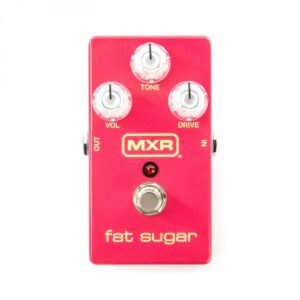
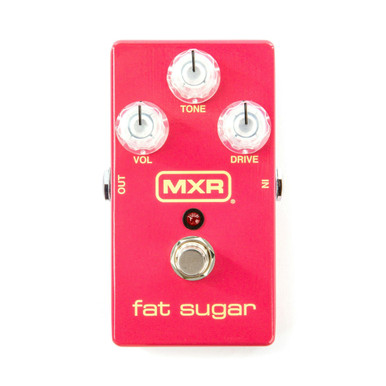
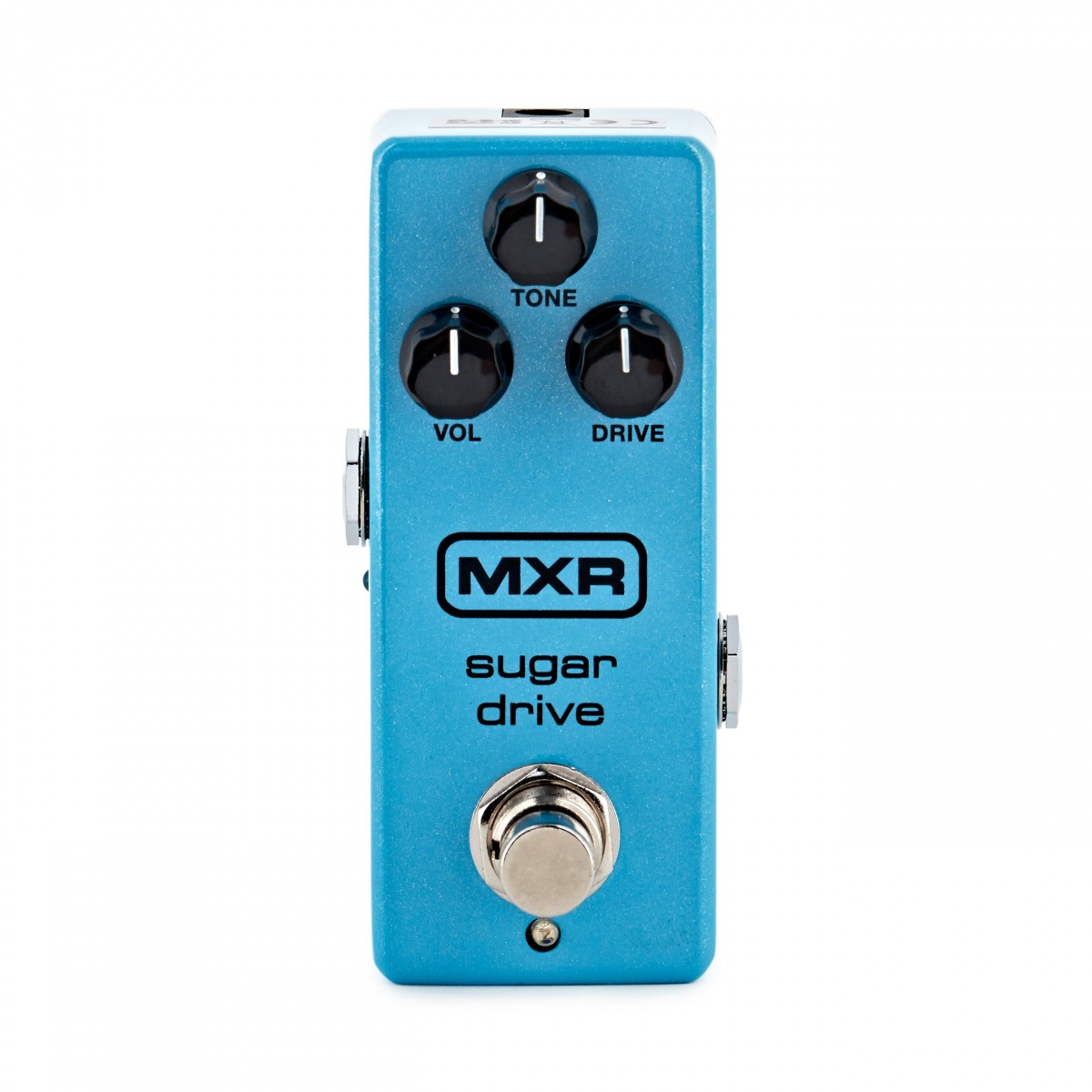
The MXR Fat Sugar Drive brings the Sugar Drive’s diverse range of clear and transparent overdrive tones to MXR’s classic housing for players who prefer its footprint over that of the mini.

This pedal’s versatility comes from its unique Drive control—which replicates an amp’s transition from clean to dirty by blending your clean signal at the start of the sweep—and a little something called a
voltage doubler, which increases overall headroom and opens up the sound of the pedal. Together, these elements allow you to serve up everything from a sauced-up boost to full-on blow-tube distortion.

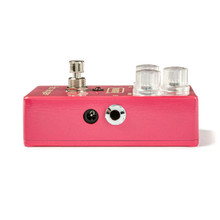
The Fat Sugar Drive is set for true bypass by default, but for the tonal purists who want buffered bypass instead, just remove the bottom plate and flick the internal Buffer switch, close it up, and get to playing. This special edition comes with a custom pink sparkle finish.
Related videos

Brand

MXR

MXR’s first product was the Phase 90, released in 1972. Dunlop’s official MXR history traces the early line from that compact phaser to the Distortion+, Dyna Comp compressor and Blue Box octave fuzz—circuits that remain central reference points for the brand. JustPedals carries those classic families alongside the Carbon Copy analog delay, Micro Amp, Talk Box and bass effects. MXR’s range is deliberately broader than one effect category: compare the model number and version, especially where a classic circuit has later reissues, mini enclosures or expanded controls.

Category

Specialist Effects Pedals

Specialist effects alter the signal in ways that do not sit cleanly inside one established family. They may use granular processing, frequency shifting, resonators, freeze or sustain, bit reduction, ring modulation, feedback networks or combinations of several techniques. The relevant distinction is the underlying process, its tracking or latency, and how completely the dry signal can be blended or replaced.

Tags

Buffered Bypass

Keeps an active buffer in the signal path when the effect is bypassed. The buffer converts a high-impedance input to a lower-impedance output, helping long cables and multiple pedals retain level and high frequencies, although its headroom and noise remain part of the path.

True Bypass

Connects input directly to output through mechanical or relay switching when the effect is off, removing the active circuit from the audio path. It avoids buffer colour but leaves cable capacitance and switching design to influence high-frequency loss and possible switching noise.