Here at JustPedals we think you can rely on Sonicake to make great Guitar Pedals. Check out the Sonicake QDS-08 King of Twins Overdrive Boost Distortion Pedal Dual-Channel Controls True Bypass on JustPedals now. SONICAKE King of Twins Overdrive, Boost, Distortion Guitar Effects Pedal Dual-Channel Controls True Bypass QDS-08
Sonicake QDS-08 King of Twins Overdrive Boost Distortion Pedal Dual-Channel Controls True Bypass
£40.12
The Sonicake QDS-08 King of Twins Overdrive Boost Distortion Pedal Dual-Channel Controls True Bypass is new on JustPedals, and instock direct. SONICAKE King of Twins Overdrive, Boost, Distortion Guitar Effects Pedal Dual-Channel Controls True Bypass QDS-08
View Just Sonicake
As an affiliate partner, we may earn a small commission when you buy through our links — at no extra cost to you.
Related videos
Brand
Sonicake
Sonicake is a Changsha, Hunan gear maker with a catalogue spanning compact effects, multi-effects processors, bass and acoustic preamps, headphone tools and accessories. Its official FAQ says its products are manufactured and packaged in Changsha. The JustPedals selection reflects that mix: the QEP-10 FlipWah combines wah and volume functions, the QME-20 Smart Box is a multi-effects processor, and listings also include adapters and headphone amplifiers. Check whether a Sonicake listing is a pedal, processor or supporting accessory before comparing it with a conventional single-effect stompbox.
Category
Distortion Pedals
Distortion clips the waveform more firmly than overdrive, generating dense upper harmonics, longer sustain and a more compressed response. Circuit topology and filtering decide whether the sound is tight and focused, broad and aggressive, smooth or deliberately abrasive. Gain sets the amount of clipping, while pre- and post-distortion tone controls strongly influence low-end definition, midrange presence and high-frequency texture.
Guitar Pedals
Guitar pedals are compact devices placed in the signal path to change level, tone, dynamics, pitch, time, modulation or routing. This broad category includes simple analogue effects, digital processors, switching and utility products, so the most important differences are the circuit function and connection method. Check whether a model expects instrument or line level, how it is powered, whether it preserves bass or stereo information, and how its bypass behaves with the rest of the board.
Overdrive Pedals
Overdrive uses soft or moderate clipping to add harmonics and compression while retaining more of the original note shape than heavy distortion. Some circuits emphasise the midrange and trim bass before clipping; others remain broad, transparent or amplifier-like. Gain, clipping arrangement, headroom and tone filtering decide whether it supplies a light edge, a saturated drive sound or extra push into another gain stage.
Tags
Boost
Raises signal level and may also reshape the frequency balance before the next stage. A clean boost preserves the waveform until headroom is exceeded, while coloured designs emphasise particular frequencies or add mild clipping that changes how later gain stages respond.
Distortion
Clips the waveform firmly and adds a dense series of harmonics with compression and sustain. The clipping devices, gain stages and tone filters determine whether the result is tight, smooth, mid-focused, scooped, grainy or deliberately abrasive.
Overdrive
Uses moderate clipping and gain-dependent compression to add harmonics while retaining much of the original note contour. Bass filtering, mid emphasis, clipping symmetry and available headroom decide whether it sounds open and amplifier-like, tightly focused or heavily saturated.
True Bypass
Connects input directly to output through mechanical or relay switching when the effect is off, removing the active circuit from the audio path. It avoids buffer colour but leaves cable capacitance and switching design to influence high-frequency loss and possible switching noise.
Others Just Ordered :
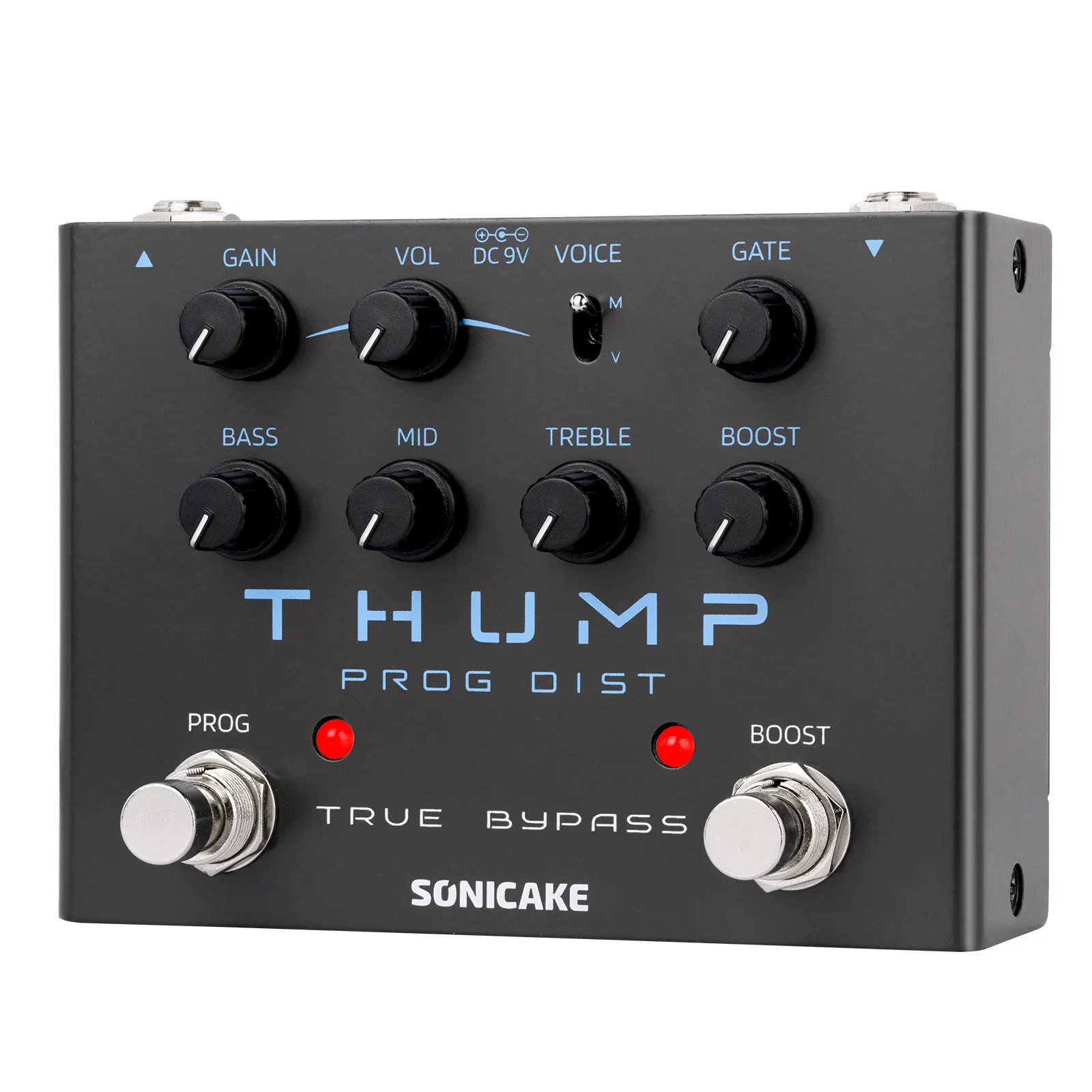 Sonicake QDS-09 Thump Pure Analog High-Gain Distortion Pedal 2 Tone Modes Modern Vintage
Sonicake QDS-09 Thump Pure Analog High-Gain Distortion Pedal 2 Tone Modes Modern Vintage
Sonicake QDS-09 Thump Pure Analog High-Gain Distortion Pedal 2 Tone Modes Modern Vintage
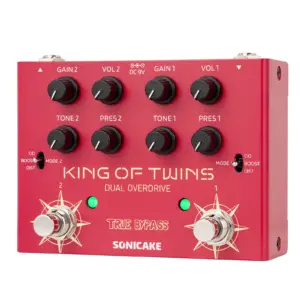 SONICAKE King of Twins 3 Modes Overdrive, Boost, Distortion Guitar Effects Pedal Dual Channel Controls Analog True Bypass QDS-08
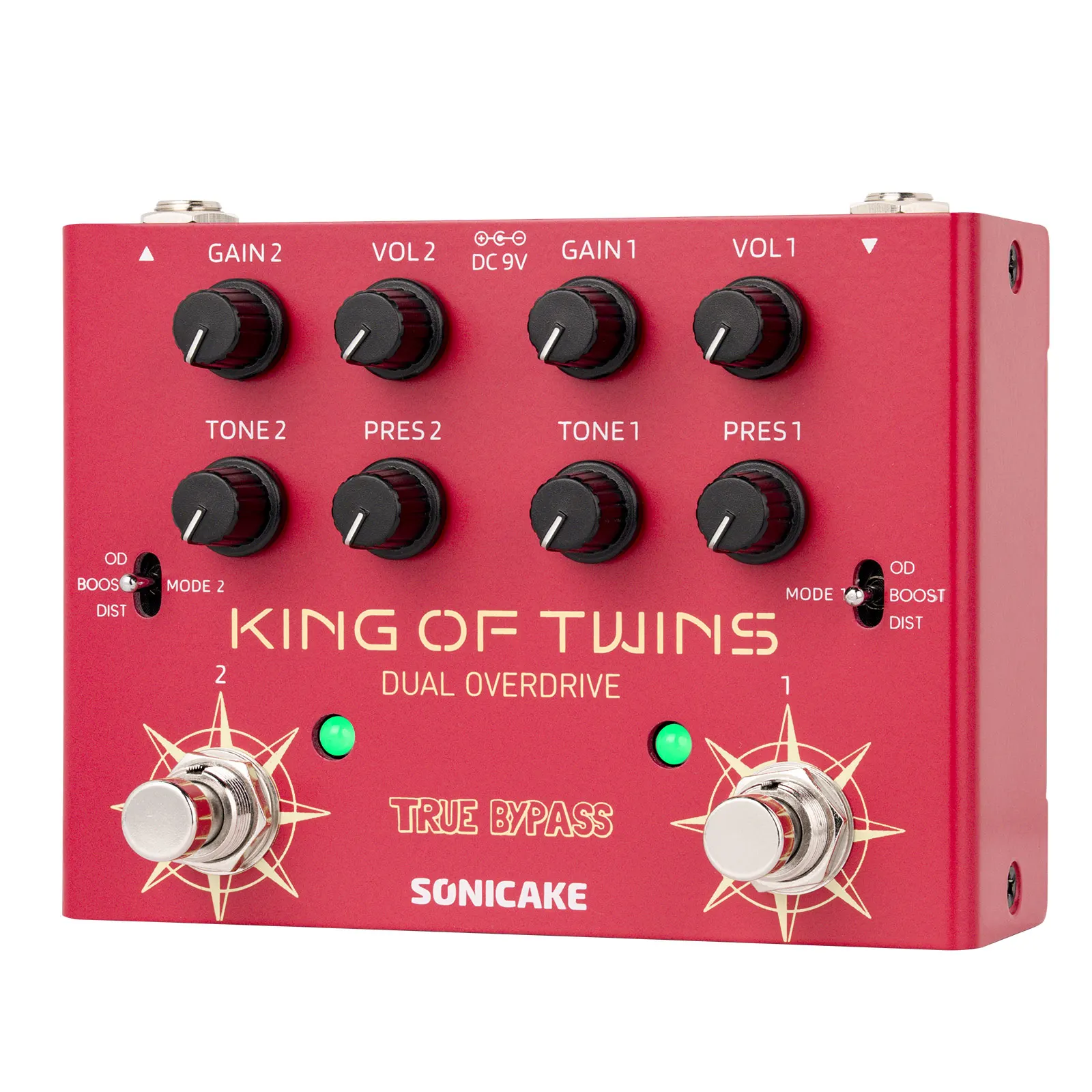 Sonicake QDS-08 King of Twins Overdrive Boost Distortion Pedal Dual-Channel Controls True Bypass
- I Love A Happy Accident… – Animals Pedal

- Animals Pedal Vintage Van Driving is Very Fun Overdrive
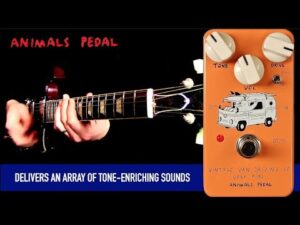
- Animals Pedal Sunday Afternoon Is Infinity Bender
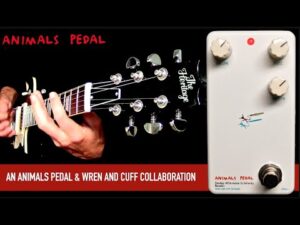
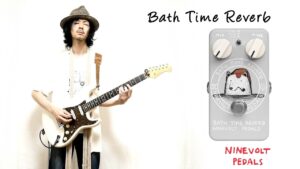
- Ninevolt Pedals | Bath Time Reverb (Animals Pedal)
- This Fuzz Pedal Makes No Sense… But It Sounds Incredible

- ANIME Pedals | Animals Pedal Custom Illustrated Series