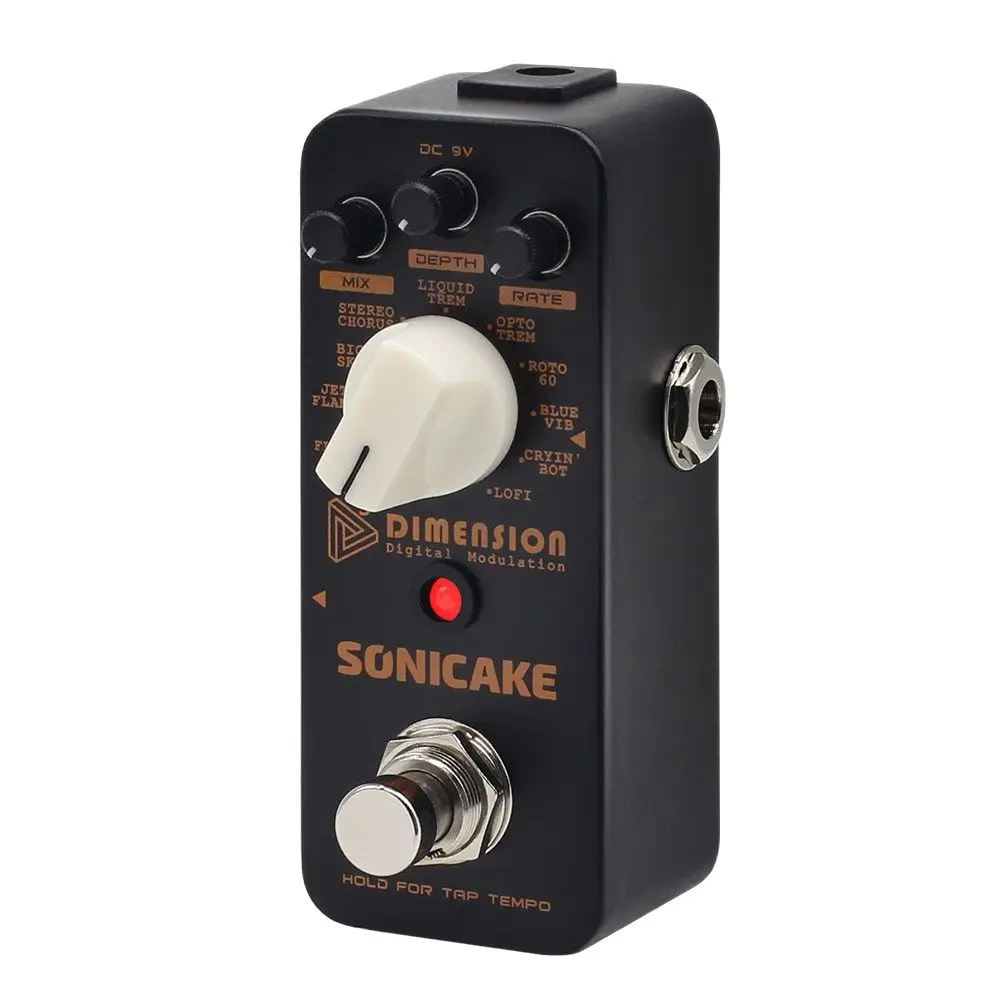
SONICAKE 5th Dimension Digital Modulation Effects Pedal w/h 11 Effects of Phaser,Flanger,Chorus,Tremolo,Vibrato,Autowah Sampling SONICAKE 5th Dimension Digital Modulation Effects Pedal w/h 11 Effects of Phaser,Flanger,Chorus,Tremolo,Vibrato,Autowah Sampling
Sonicake 5TH Dimension Digital Modulation Pedal w h 11 of
£30.27
The Sonicake 5TH Dimension Digital Modulation Pedal w h 11 of is new on JustPedals, and instock GBP 30.27 direct. SONICAKE 5th Dimension Digital Modulation Effects Pedal w/h 11 Effects of Phaser,Flanger,Chorus,Tremolo,Vibrato,Autowah Sampling
View Just Sonicake
As an affiliate partner, we may earn a small commission when you buy through our links — at no extra cost to you.
Related videos


Brand
Sonicake
Sonicake is a Changsha, Hunan gear maker with a catalogue spanning compact effects, multi-effects processors, bass and acoustic preamps, headphone tools and accessories. Its official FAQ says its products are manufactured and packaged in Changsha. The JustPedals selection reflects that mix: the QEP-10 FlipWah combines wah and volume functions, the QME-20 Smart Box is a multi-effects processor, and listings also include adapters and headphone amplifiers. Check whether a Sonicake listing is a pedal, processor or supporting accessory before comparing it with a conventional single-effect stompbox.
Category
Guitar Pedals
Guitar pedals are compact devices placed in the signal path to change level, tone, dynamics, pitch, time, modulation or routing. This broad category includes simple analogue effects, digital processors, switching and utility products, so the most important differences are the circuit function and connection method. Check whether a model expects instrument or line level, how it is powered, whether it preserves bass or stereo information, and how its bypass behaves with the rest of the board.
Tags
Chorus
Adds one or more slightly delayed voices whose delay time is continuously modulated. Their small pitch and timing differences thicken the source and create shimmer or stereo width; modulation rate, depth, base delay and mix determine how subtle or liquid the movement becomes.
Digital
Converts the signal or control process into numerical data for algorithmic processing. Digital designs can provide precise timing, long memory, complex routing and repeatable presets; sample rate, conversion, internal resolution and latency influence fidelity and response.
Flanger
Combines the dry signal with a very short, modulated delay. Regularly spaced phase cancellations form a moving comb filter, while feedback intensifies the notches and resonance to produce anything from gentle motion to a metallic jet-like sweep.
Phaser
Creates moving peaks and notches by phase-shifting a parallel signal through all-pass filter stages and recombining it with the dry path. Stage count, feedback, centre frequency, rate and depth determine the breadth, resonance and pulse of the sweep.
Wah
Sweeps a resonant filter through the spectrum to create vowel-like changes in tone. The treadle or automatic control moves the centre frequency, while sweep range, resonance, input loading and mechanical taper determine how sharply and where the voice changes.
Others Just Ordered :
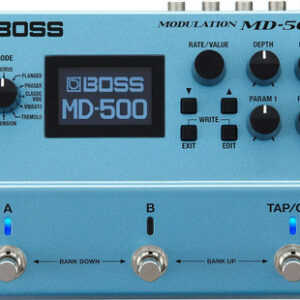 Boss MD-500 Modulation Effects Processor
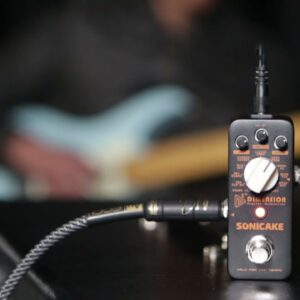 Just Video – SONICAKE 5th Dimension 11-Mode Digital Modulation Guitar Effects Pedal
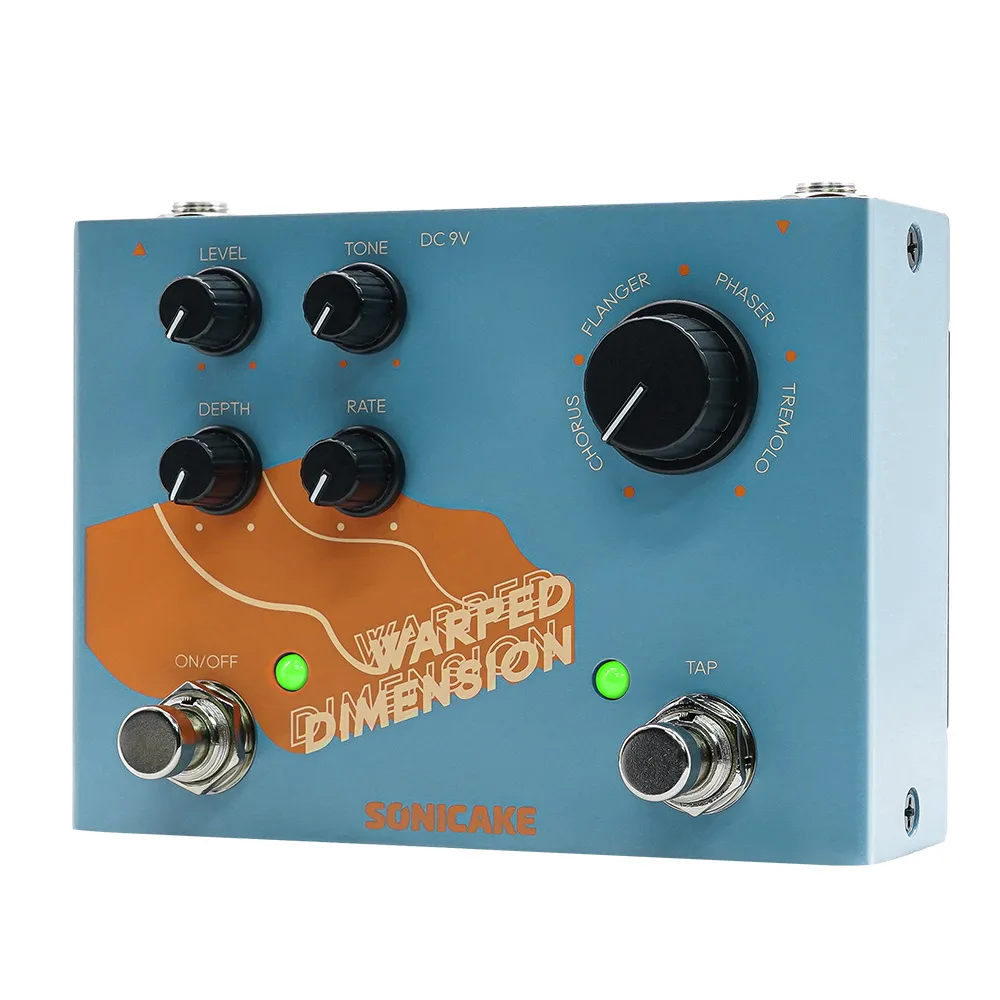 SONICAKE Warped Dimension Digital Modulation Guitar Effects Pedal 4 Mode of Chorus, Flanger, Phaser & Tremolo QDS-03
 Just Video – Sonicake 5th Dimension 11-Mode Digital Modulation Guitar Effects Pedal
- I Love A Happy Accident… – Animals Pedal

- Animals Pedal Vintage Van Driving is Very Fun Overdrive
- Animals Pedal Sunday Afternoon Is Infinity Bender

- Ninevolt Pedals | Bath Time Reverb (Animals Pedal)
- This Fuzz Pedal Makes No Sense… But It Sounds Incredible

- ANIME Pedals | Animals Pedal Custom Illustrated Series