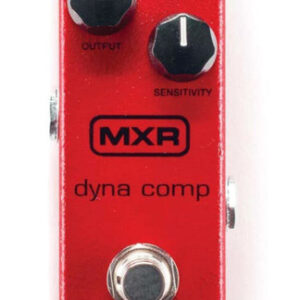
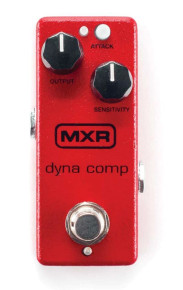
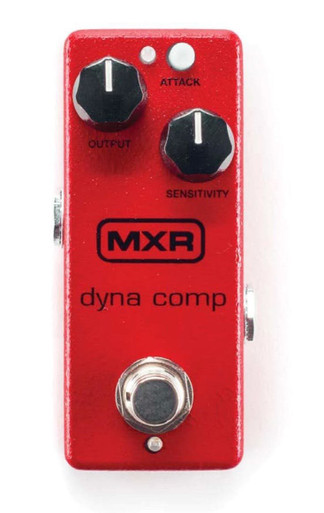
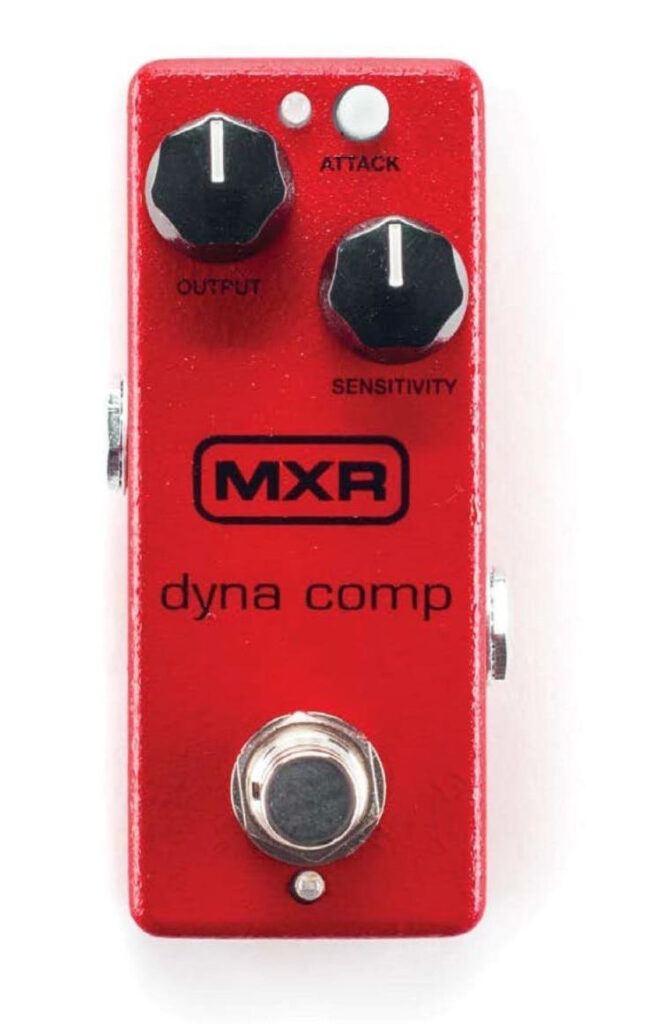
MXR Dyna Comp Mini compression pedal

£119.99

This is the MXR Dyna Comp Mini compression pedal from MXR, listed in Compressor Pedals on Just Pedals. Read More below.

View Just
more

Here's what MXR say about the Dyna Comp Mini:

The Dyna Comp Mini Compressor combines the best of classic tone and modern convenience in a housing that’s nearly half the size of the original. Thanks to its rare CA3080 “metal can” integrated circuit (IC), this pedal yields quieter operation, greater transparency, and increased dynamic range. An all-new Attack switch toggles between slow and fast attack times.

Key Features

  • Classic MXR compression in a space-saving mini housing
  • Features rare CA3080 “metal can” IC for quieter operation, greater transparency, and increased dynamic range
  • All-new Attack switch toggles between slow and fast attack times
Related videos

Brand

MXR

MXR is a renowned manufacturer of guitar effects pedals and audio electronics, recognized for their classic designs and high-quality sound. Established in the 1970s, MXR has played a significant role in shaping the landscape of effects pedals, producing iconic units that have become staples in countless musicians’ rigs. The company’s pedals are celebrated for their rugged construction, intuitive controls, and versatile tones, making them popular among guitarists and bassists across genres.

MXR’s product lineup encompasses a wide range of effects categories, including distortion, delay, modulation, and more. Some of their most notable pedals include the Phase 90 phaser, the Dyna Comp compressor, and the Carbon Copy analog delay, all of which have earned legendary status among players for their distinctive sound and reliability. With a legacy of innovation and a commitment to quality, MXR continues to be a respected name in the world of guitar effects, inspiring musicians to explore new sonic possibilities and express themselves creatively.

Category

Compressor Pedals

Compression reduces the difference between louder and quieter parts of the signal. It can restrain peaks, lift decaying notes and make picking feel more even, but strong settings also change the attack and add audible sustain or pumping. Threshold, ratio, attack, release and blend determine when gain reduction begins, how firmly it acts and how much natural transient detail remains.