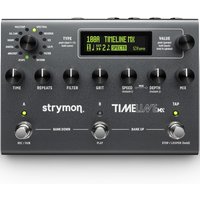

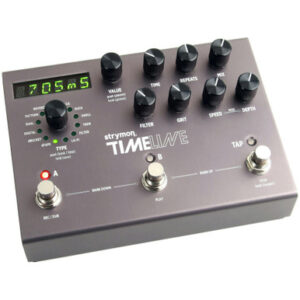
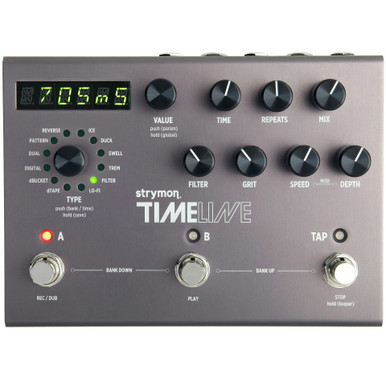
Well what do you say about the Strymon TimeLine Delay? Probably one of if not the most talked about guitar effects pedal on the planet, the Strymon TimeLine has certainly caused a buzz! So what’s all the fuss about?
Loads of Options
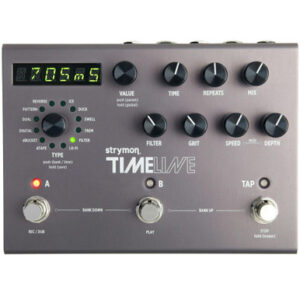
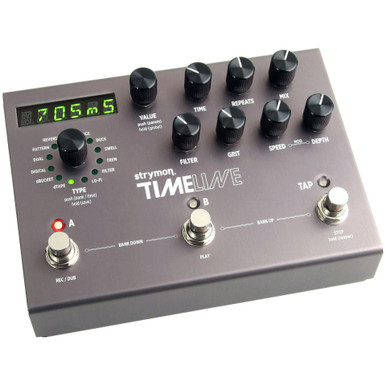
The TimeLine is actually 12 different delays in a single box made up from simple pristine digital delays through dTape and dBucket delays taken from other Strymon pedals all the way through to complete new and insane delays like Ice, Swell, Trem, Filter and LoFi. If you can think of a feature that you’d need from a delay pedal the TimeLine already has it!
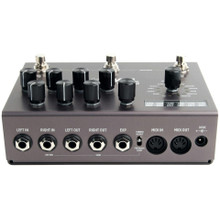
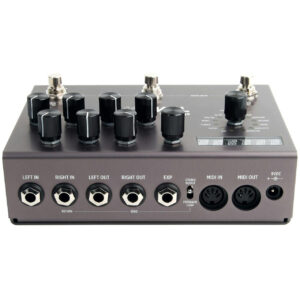
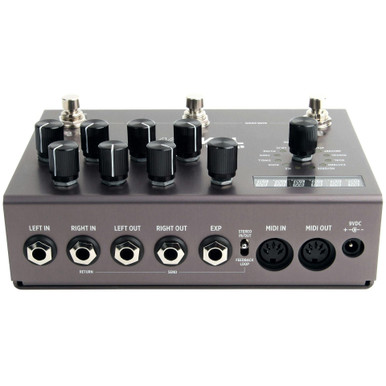
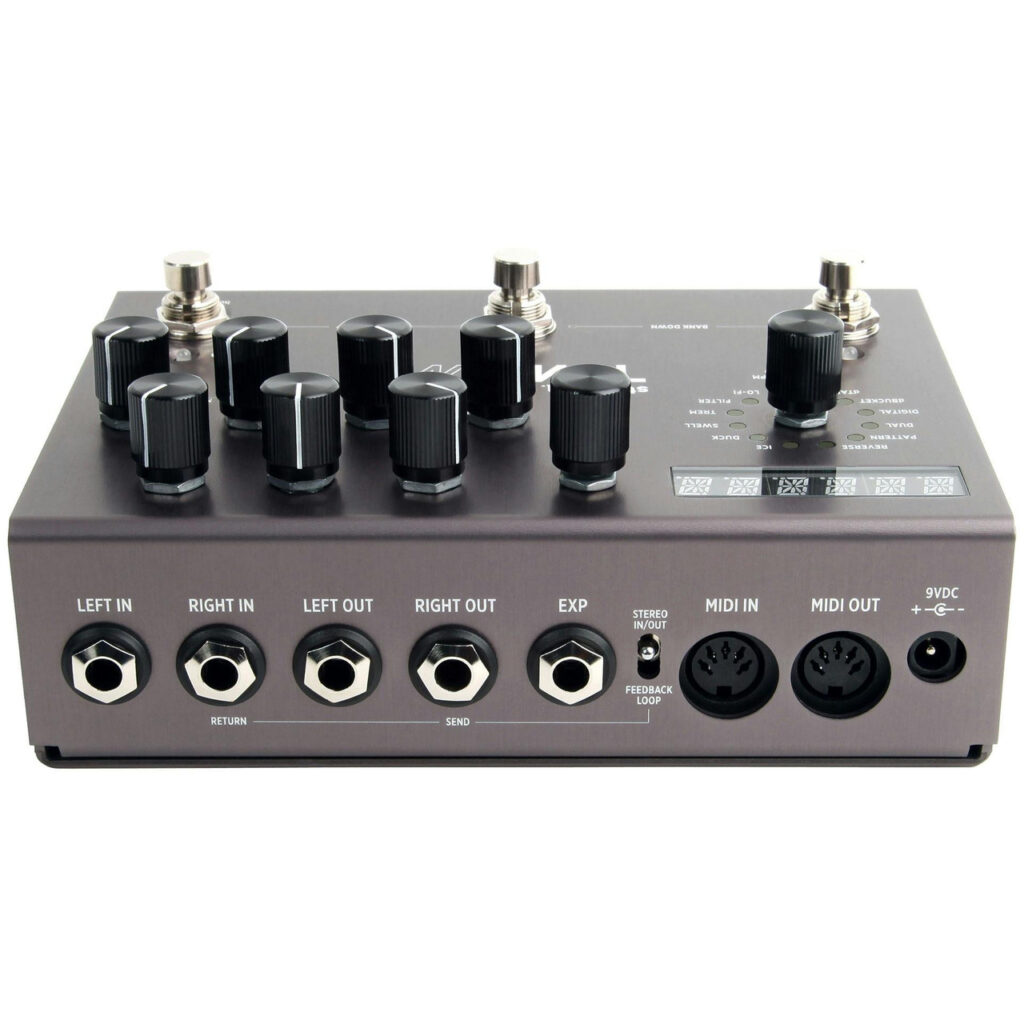
Stereo inputs/outputs?
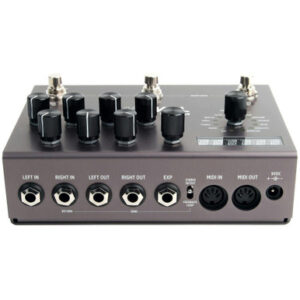
Yep. MIDI tempo sync send and/or return? Yep. Expression pedal control? Yep. Send/Return loop? Yep. Tap tempo? Yep. Manual BPM or Millisecond tempo input? You bet! So you see there’s a good reason it’s the most talked about pedal on the planet! If you want the ultimate delay pedal for guitar then stop looking, you’ve found it!
Stymon are some of the most sought after and best loved guitar pedals in the world. The tones are incredible and there are few pedals that match up head to head on tone or features!
Here’s what Strymon say about the TimeLine
When we decided to create a studio-class stereo delay effects pedal, we knew we must go well beyond what has been done in the past—in sound quality, sonic flexibility, hardware design, and processing power. We spent months locked up in the Strymon sound design labs with an intense focus on dreaming up the most spacious, lush, creative, and tweakable delay effects ever heard. It was a monumental task—a relentless study of delays and their nuances, and a continuous pursuit of innovative and musically inspirational sounds. Utilizing a ridiculously powerful SHARC DSP, every drop of processing power is harnessed. Each algorithm is so detailed it requires the entire processor.
TimeLine provides you with twelve different delay machines, each with extensive control over sonic character and feel. Tweak to your hearts content and save up to 200 presets of your favorite sounds. Go from crisp and clear, studio-quality digital delays all the way to the saturated and fluctuating sounds of tape delay machines. Get warm and fuzzy analog style repeats all the way to shimmery, sparkling, and crystalline ice delays. Top it all off with full MIDI implementation and a routable, 30-second stereo looper and you’re on your way to delay bliss.
Specifications
- Twelve different studio-quality delay machines in one, including some effects new to science!
- Choose from dTape- and dBucket analogue delays all the way to unique, shimmering ‘slice n dice’ Ice delays
- Dual (series/parallel), non-linear, multi-tap, reverse, swell, ducking, locked-tremolo, locked-filter, and lo-fi (incl. dVinyl) modes
- Built-in full-featured 30-second stereo looper
- 200 user-programmable presets
- Massive tweakability
- Complete MIDI control
- Ultra low noise 24-bit 96kHz converters, 115dB typical SNR
- Filter, Grit, Smear, High Pass, and Modulation controls.
- LED for BPM and parameter control
- Stereo input and output
- Expression pedal input with selectable control over knob or combination of knobs, saveable per preset
- Selectable Trails mode per preset