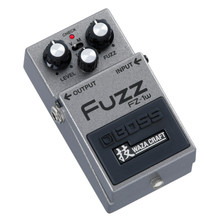

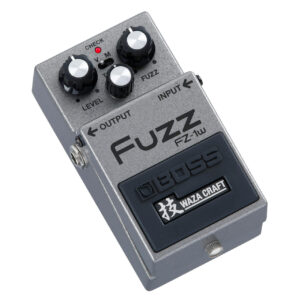
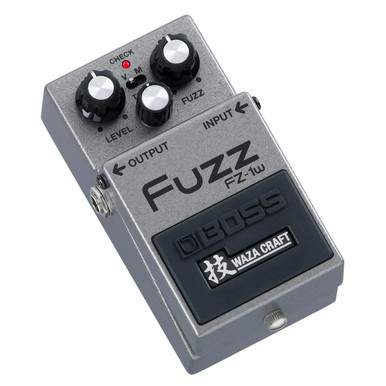
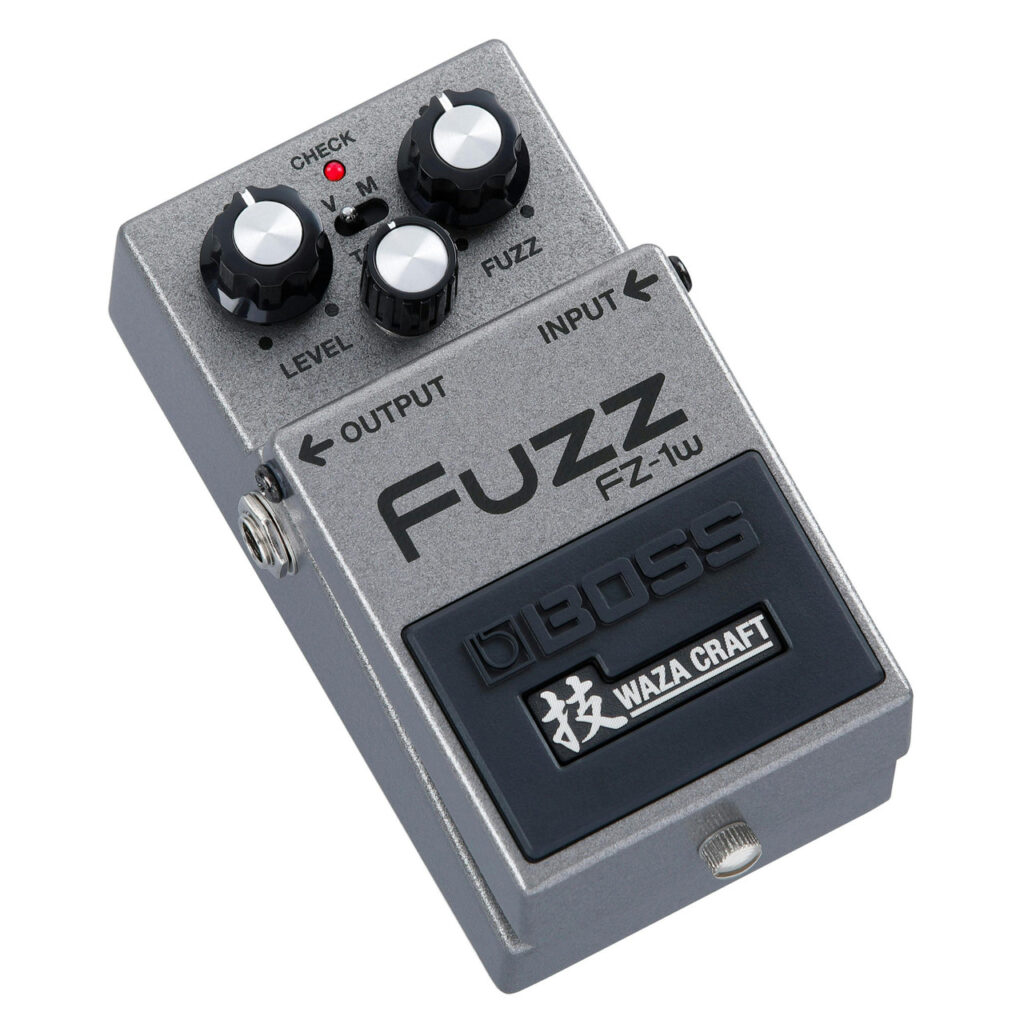
Fuzz pedals were the earliest type of distortion pedals, and quickly became the sound of the ‘60s. Everyone from Jimi Hendrix to Keith Richards used fuzz to shape their iconic guitar tones and with the all-new Boss FZ-1W, you can do the same!
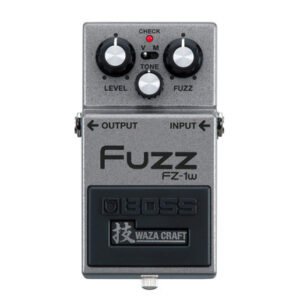
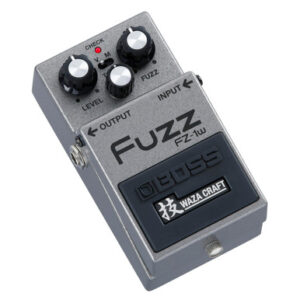
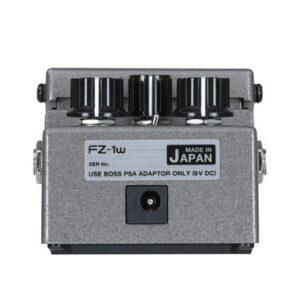
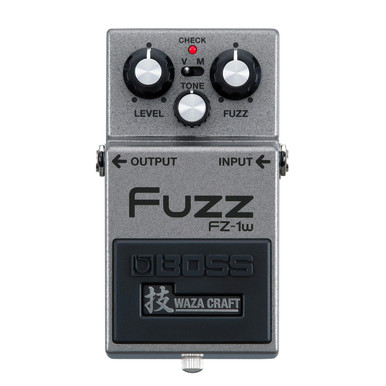
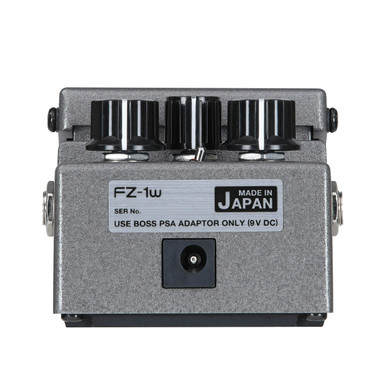
The FZ-1W is the latest pedal to get the coveted Waza-Craft treatment from stompbox giants Boss. Made in Japan using premium components, the FZ-1W features all analogue circuitry to deliver inspiring vintage fuzz tones in a reliable, modern design. The FZ-1W is far more than just another fuzz pedal though…Featuring two distinctly different modes, Vintage and Modern, the FZ-1W can be used across a wide range of musical genres. The Tone knob allows for deep tone shaping in each mode and a high-quality buffer ensures a clean sound when the pedal is bypassed.
Key Features
- Premium Waza Craft pedal for the ultimate BOSS tone experience
- Redefined fuzz sounds that combine classic tone and response with modern versatility and stability, realized through BOSS Waza innovation
- Vintage mode delivers a retro fuzz experience with aggressive tone, dynamic touch response, and extreme sensitivity to input volume
- Modern mode provides a fatter sound and more mid focus to suit a wider range of music styles
- Powerful Tone knob provides deep sound-shaping control tuned for each mode
- Consistent sound and reliable performance with silicon transistor circuitry
- High-quality buffer for clean and clear tone when bypassed