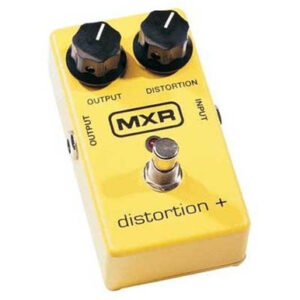
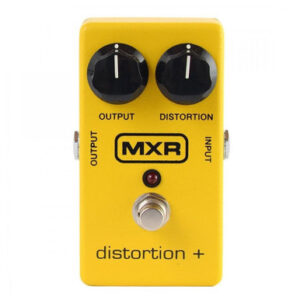
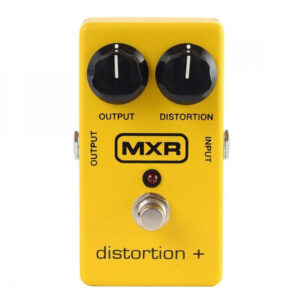
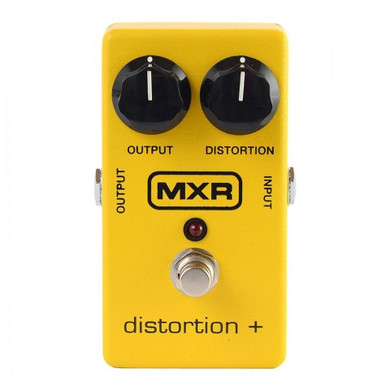
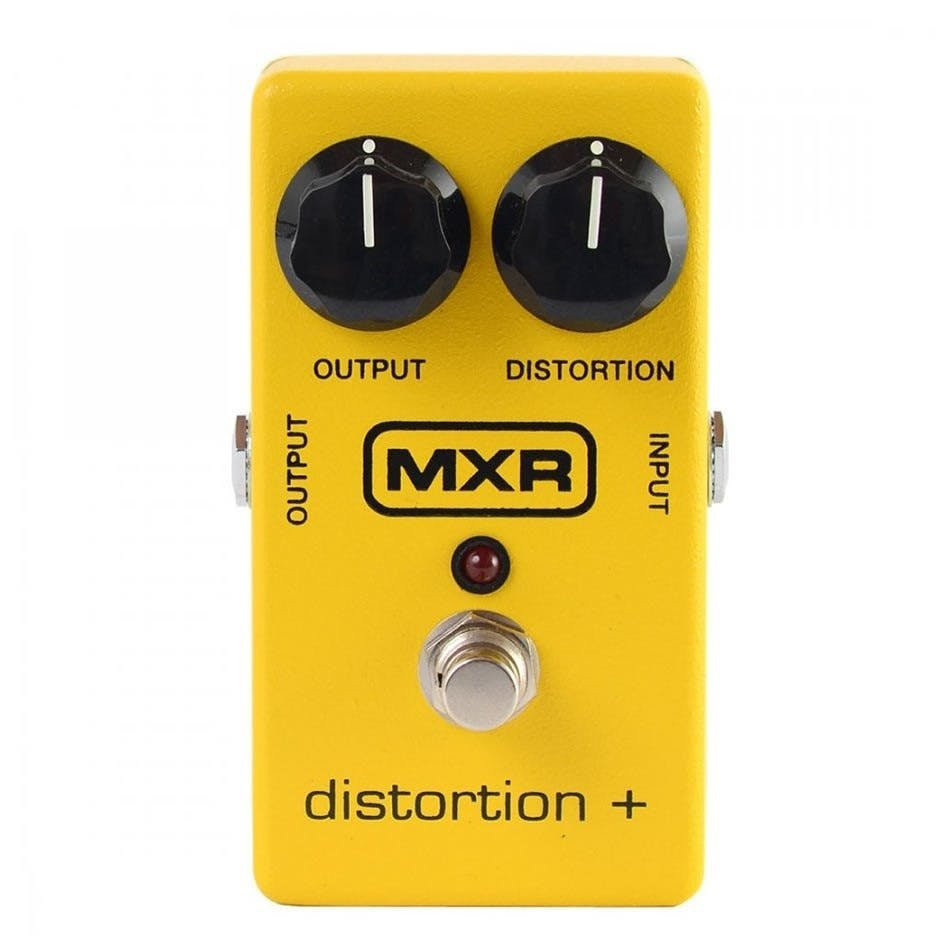
MXR M104 Distortion Plus Pedal

£109.99

This is the MXR M104 Distortion Plus Pedal from MXR, listed in Guitar Pedals on Just Pedals. Read More below.

View Just
more ,
and , , ,

In the middle ranges of the Output and Distortion controls, you’ll find soft-clipped distortion tones that sound truly retro-authentic, especially when they’re mixed with a splash of reverb. Pushing Distortion up higher produces classic fuzz tones that are finding their way onto an increasing number of albums. A welcome, enjoyable alternative to LA saturation and British crunch. 

Power: Single 9 volt battery or Dunlop ECB-003 AC adapter

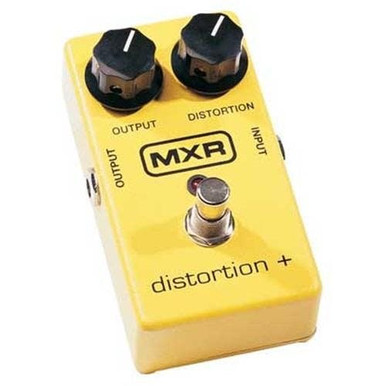
Controls: Footswitch toggles effect on/bypass (red LED indicates on) Output knob sets total output gain Distortion knob adjusts ratio of clean signal with distortion
Related videos

Brand

MXR

MXR is a renowned manufacturer of guitar effects pedals and audio electronics, recognized for their classic designs and high-quality sound. Established in the 1970s, MXR has played a significant role in shaping the landscape of effects pedals, producing iconic units that have become staples in countless musicians’ rigs. The company’s pedals are celebrated for their rugged construction, intuitive controls, and versatile tones, making them popular among guitarists and bassists across genres.

MXR’s product lineup encompasses a wide range of effects categories, including distortion, delay, modulation, and more. Some of their most notable pedals include the Phase 90 phaser, the Dyna Comp compressor, and the Carbon Copy analog delay, all of which have earned legendary status among players for their distinctive sound and reliability. With a legacy of innovation and a commitment to quality, MXR continues to be a respected name in the world of guitar effects, inspiring musicians to explore new sonic possibilities and express themselves creatively.

Category

Distortion Pedals

Distortion clips the waveform more firmly than overdrive, generating dense upper harmonics, longer sustain and a more compressed response. Circuit topology and filtering decide whether the sound is tight and focused, broad and aggressive, smooth or deliberately abrasive. Gain sets the amount of clipping, while pre- and post-distortion tone controls strongly influence low-end definition, midrange presence and high-frequency texture.

Guitar Pedals

Guitar Pedals is a useful category for players looking to shape their guitar or bass sound in a more focused way. Products in this area can help with tone, control, routing, performance or creative sound design depending on the exact type of gear involved.

For anyone building a pedalboard, guitar pedals options can help fill a specific gap in the signal chain or open up new sounds that are difficult to achieve with an amp alone. They are worth exploring when you want a more personal, flexible and practical setup.

Tags

Distortion

Clips the waveform firmly and adds a dense series of harmonics with compression and sustain. The clipping devices, gain stages and tone filters determine whether the result is tight, smooth, mid-focused, scooped, grainy or deliberately abrasive.

Fuzz

Pushes the signal into extreme clipping, often approaching a square wave and producing dense harmonics. Transistor type, bias, input loading and filtering govern whether the texture is smooth, woolly, gated, spluttering, octave-rich or highly responsive to the instrument volume.

Guitar Pedal

Guitar Pedal pedals and related effects are commonly used by guitarists looking to shape their tone in a more focused and creative way. Different designs offer their own response, feel and tonal character depending on the style of music and the type of amplifier or guitar being used.

Many players build pedalboards gradually over time, combining different effects and utilities to create a setup that suits their own sound and workflow. Guitar Pedal related gear can play an important role in both live performance and studio recording.

Reverb

Builds a dense tail of reflections around the original sound. Early reflections establish apparent distance and size, while decay, diffusion, damping and modulation shape the density, brightness and movement of the later field. Pre-delay separates the dry attack from the ambience, and mix controls their relative level.