Brand
Free The Tone is a Japanese manufacturer specializing in high-end guitar effects pedals, cables, and other audio accessories. Founded by Yuki Hayashi, a renowned engineer and musician, Free The Tone has earned a reputation for its commitment to premium craftsmanship, innovative design, and exceptional sound quality.
Free The Tone pedals are revered for their transparent, studio-grade tones and advanced features, making them a favorite among professional musicians, recording engineers, and tone purists worldwide. The company offers a diverse range of effects pedals, including overdrive, distortion, modulation, delay, reverb, and more, each meticulously designed and handcrafted to deliver unparalleled sonic performance.
One of Free The Tone’s flagship products is the ARC System, a revolutionary line of effects pedals that feature advanced Analog Routing Circuitry (ARC) technology. The ARC System allows guitarists to switch between multiple effects loops seamlessly, enabling complex signal routing and parallel processing without sacrificing tone or signal integrity.
In addition to effects pedals, Free The Tone also produces high-quality cables and accessories designed to optimize signal transfer and minimize noise in professional audio setups. These cables feature premium materials and construction techniques, ensuring reliable performance and pristine sound quality in any application.
With its dedication to innovation, quality, and sonic excellence, Free The Tone continues to be a respected name in the guitar effects industry, pushing the boundaries of what’s possible in tone shaping and signal processing. Whether in the studio, on stage, or in the rehearsal room, Free The Tone products empower musicians to unlock their full creative potential and achieve their desired sound.
Category
Tags
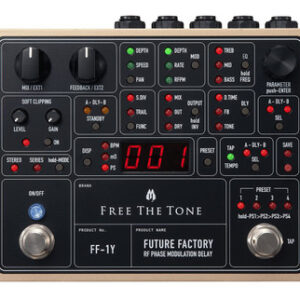
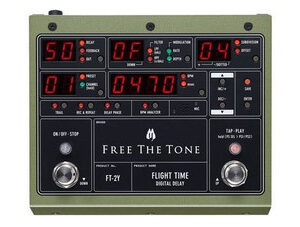
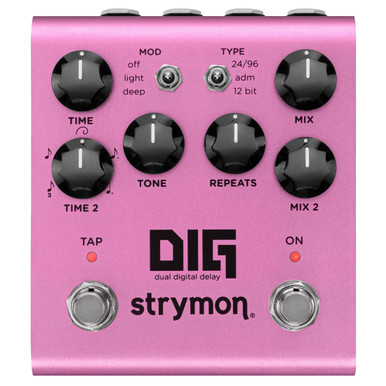
A delay pedal records your signal and plays it back after a set time, creating echoes that can range from tight, slapback repeats to long, atmospheric trails. It’s one of the most versatile effects, used to thicken tones, add rhythmic depth, or build spacious, ambient layers. Analogue delays offer warm, decaying repeats that blend naturally with your tone, while digital units provide pristine echoes with precise control over time, feedback, and mix levels.
From classic rockabilly and tape-style echoes to modern looping and shimmer effects, delay pedals have become essential tools for shaping sound. They can make solos soar, rhythms pulse, or transform simple chord progressions into cinematic textures. Whether used subtly to add dimension or boldly to create soundscapes, a good delay pedal can completely redefine the feel and atmosphere of your music.
While Ed Sheeran primarily relies on the natural sound of his acoustic guitar and vocals, he occasionally uses EQ (Equalization) to shape and enhance his tone during live performances or in the studio. EQ pedals or onboard preamps can allow him to adjust the frequency response of his guitar signal to suit the acoustics of different venues or to achieve specific tonal characteristics. Here’s how EQ might be utilized in Ed Sheeran’s setup:
1. **Tonal Shaping**: EQ can be used to adjust the balance of frequencies in the guitar signal, allowing Ed Sheeran to shape his tone to his liking. For example, he might boost the midrange frequencies to bring out the warmth and presence of his acoustic guitar, or cut certain frequencies to reduce any harshness or mud in the sound.
2. **Feedback Control**: In a live setting, EQ can help control feedback by notching out problematic frequencies that might cause the guitar signal to feed back through the amplification system. This can be particularly useful when performing in venues with challenging acoustics or high volume levels.
3. **Room Correction**: In situations where the venue’s acoustics are less than ideal, EQ can be used to compensate for any deficiencies in the sound. By adjusting the EQ settings, Ed Sheeran can tailor the guitar tone to sound more balanced and natural, regardless of the room’s acoustic properties.
4. **Matching Gear**: EQ can also be used to match the tone of Ed Sheeran’s guitar to the sound of other instruments or equipment in his setup. For example, he might adjust the EQ to complement the tonal characteristics of his vocal microphone or to blend seamlessly with backing tracks or other instruments.
Overall, while EQ may not be a central component of Ed Sheeran’s guitar effects setup, it can still play a valuable role in shaping his tone and ensuring that he achieves the desired sound in different performance environments. Whether used subtly for tonal shaping or more aggressively for feedback control, EQ allows Ed Sheeran to tailor his guitar tone to suit his musical vision and performance needs.
A filter pedal shapes your tone by emphasising or cutting specific frequencies, letting you sculpt everything from subtle tonal shifts to bold, sweeping textures. Unlike traditional wah or envelope effects, filters can be static or controlled in different ways, giving you focused control over how bright, dark, sharp, or resonant your sound becomes.
Use a filter to tighten the low end, tame harsh highs, or create synth-like sweeps and rhythmic movement. Whether you’re refining your core tone or pushing into experimental territory, a filter pedal gives you precise control over the flavour of your sound.
MIDI pedals use the Musical Instrument Digital Interface standard to communicate with other guitar pedals, effects units, and hardware. They allow control over presets, parameters, and switching across multiple devices from a single controller. MIDI integration makes it possible to build complex, synchronised pedal setups while keeping control simple and consistent.
This is brand new, fresh in, and a UK warranty is included. New Gear always comes from trusted UK music retailers.
Used pedals bring character, value, and often a bit of history to your board. Whether it’s a well-loved classic or a recent release looking for its next home, a used pedal offers the same core tone at a more accessible price. Fully tested and described clearly, it’s a chance to grab great gear without paying brand-new money.
Go used to explore different sounds, track down discontinued favourites, or build your setup more affordably. Sometimes a pedal with a few marks on the casing still delivers flawless tone — and might even have a story or two behind it.
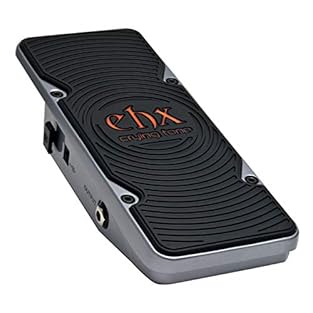
Volume pedals control the output level of a guitar signal using a foot-operated treadle. They allow smooth volume swells, dynamic control during playing, and easy muting between songs. Volume pedals can be placed at different points in the signal chain to either control overall loudness or adjust gain and drive behaviour when positioned before distortion or overdrive pedals.
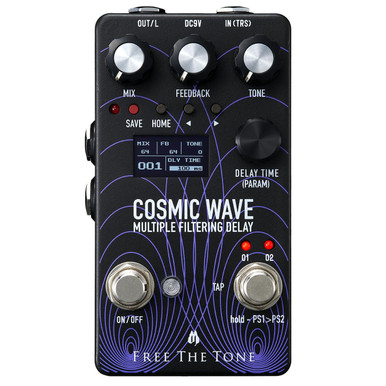
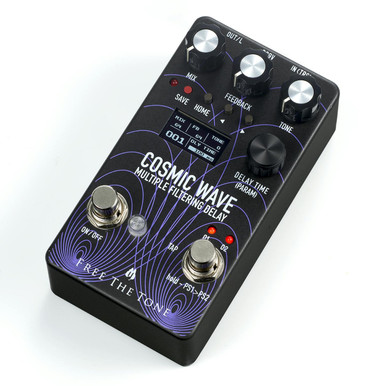



![[MULTI-EFFECT FUNCTIONALITY] This pedal combines wah, distortion, overdrive, delay, reverb, and compressor effects, allowing musicians to explore a wide range of soundscapes and enhance their performances. [COMPACT AND PORTABLE DESIGN] Lightweight an...](https://m.media-amazon.com/images/I/41stfHU9zAL._SL313_.jpg)