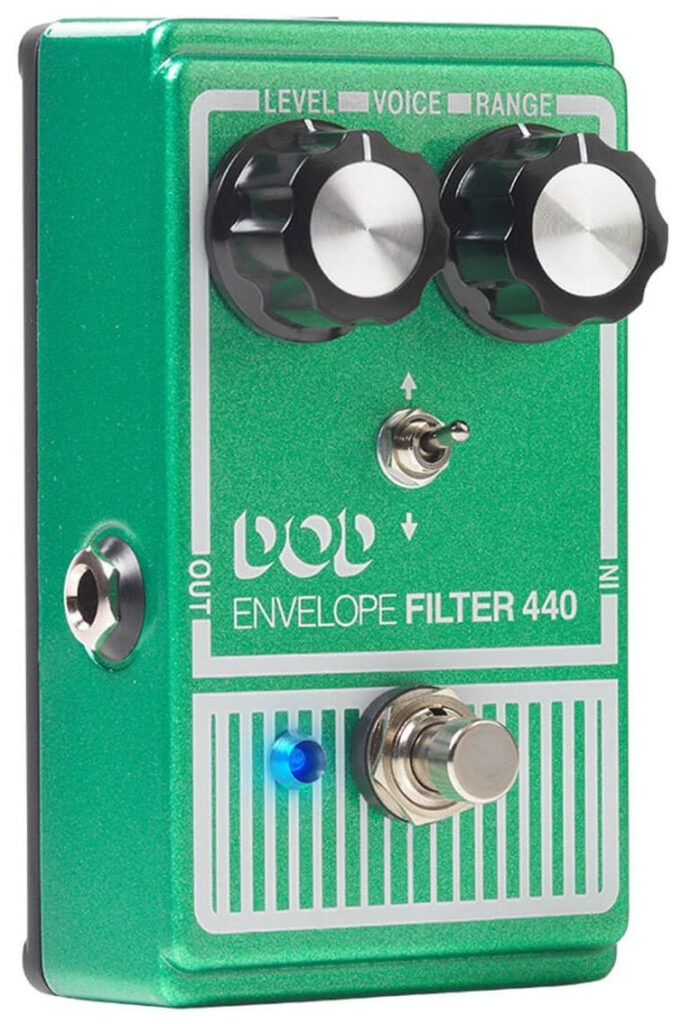
Brand
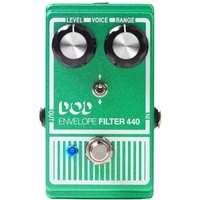
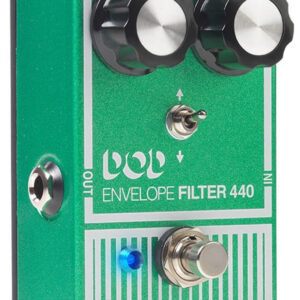
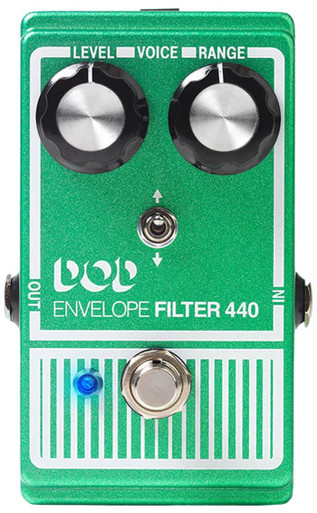
DOD, or Digitech/DOD Electronics, is a renowned brand in the world of audio electronics, particularly known for its effects pedals for guitars and basses. The company was founded in 1973 by David Oreste Di Francesco and John Johnson, hence the acronym DOD. Initially focusing on guitar effects pedals, DOD gained prominence with its innovative designs and affordable yet high-quality products.
Throughout its history, DOD has produced a wide range of effects pedals, including overdrive/distortion pedals, delay units, chorus and flanger pedals, and more. Their pedals often feature robust construction, simple yet effective controls, and distinctive sound characteristics. Classics like the DOD Overdrive/Preamp 250 and the DOD Stereo Chorus have become staples on pedalboards of musicians across various genres.
In 1984, DOD was acquired by Harman International Industries, which also owned other prominent audio brands like AKG, JBL, and Lexicon. Under Harman’s ownership, DOD continued to innovate and release new pedals while maintaining its reputation for providing high-quality effects at accessible prices. Though there have been shifts in ownership and product lines over the years, DOD pedals remain highly regarded by musicians seeking reliable and versatile effects for their performances and recordings.
Category
Electric Guitars is a useful category for players looking to shape their guitar or bass sound in a more focused way. Products in this area can help with tone, control, routing, performance or creative sound design depending on the exact type of gear involved.
For anyone building a pedalboard, electric guitars options can help fill a specific gap in the signal chain or open up new sounds that are difficult to achieve with an amp alone. They are worth exploring when you want a more personal, flexible and practical setup.
Guitar Effects Pedals is a useful category for players looking to shape their guitar or bass sound in a more focused way. Products in this area can help with tone, control, routing, performance or creative sound design depending on the exact type of gear involved.
For anyone building a pedalboard, guitar effects pedals options can help fill a specific gap in the signal chain or open up new sounds that are difficult to achieve with an amp alone. They are worth exploring when you want a more personal, flexible and practical setup.
Guitars is a useful category for players looking to shape their guitar or bass sound in a more focused way. Products in this area can help with tone, control, routing, performance or creative sound design depending on the exact type of gear involved.
For anyone building a pedalboard, guitars options can help fill a specific gap in the signal chain or open up new sounds that are difficult to achieve with an amp alone. They are worth exploring when you want a more personal, flexible and practical setup.
Wah pedals use a foot-controlled filter to sweep through frequencies, creating the vocal-like sound heard in funk, rock, soul, metal and psychedelic guitar playing. They can be used rhythmically, expressively or as a fixed tone-shaping filter.
A wah pedal gives the player direct physical control over the effect, making it feel highly responsive and personal. It can make lead lines sing, rhythm parts talk and heavy riffs cut through with extra attitude.
Tags
Filter pedals and related effects are commonly used by guitarists looking to shape their tone in a more focused and creative way. Different designs offer their own response, feel and tonal character depending on the style of music and the type of amplifier or guitar being used.
Many players build pedalboards gradually over time, combining different effects and utilities to create a setup that suits their own sound and workflow. Filter related gear can play an important role in both live performance and studio recording.
True bypass pedals route the guitar signal directly from input to output when the effect is switched off, helping preserve the original tone of the instrument when the pedal is not active. This became an important feature as pedalboards grew larger and players became more conscious of signal loss through long chains of effects.
Many boutique pedal builders and modern stompbox manufacturers use true bypass switching to keep the signal path as clean as possible. Some players still combine true bypass pedals with buffered pedals depending on cable length and the overall design of the rig.