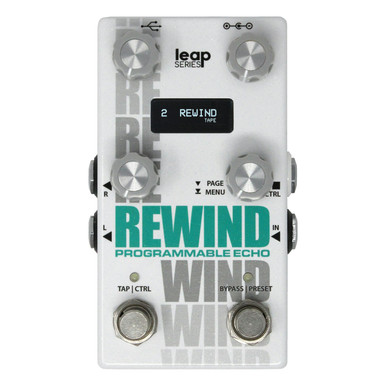

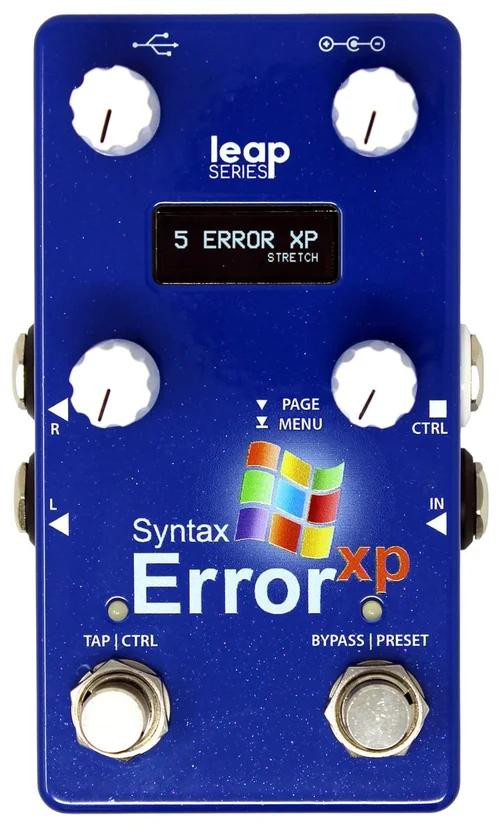
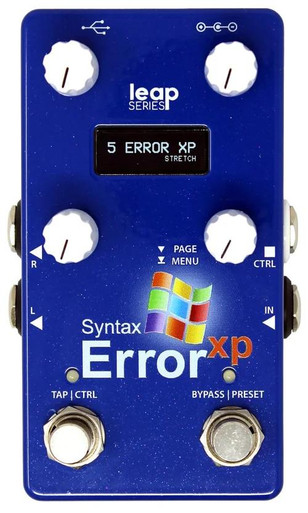
Allow JustPedals to introduce the Alexander Pedals Syntax Error XP Lofi Pedal The Alexander Syntax Error XP is a compact lo-fi multi-effect designed to turn your pristine signal into gloriously broken digital chaos. Packed with eight powerful sound engines, stereo I/O, 32 presets and deep modulation options, it is a full audio mangling workstation for guitar, bass, synths and more. From dial-up modem glitches to crushed reverbs, warped pitch and robotic ring mod, this pedal is built to destroy your clean tone in the most musical way possible.
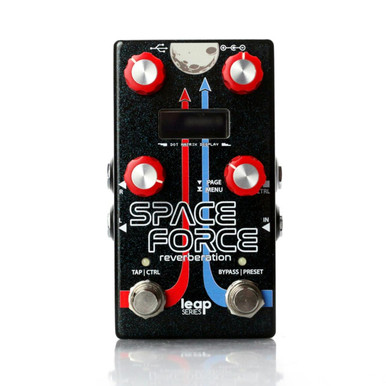
Built on Alexander’s Leap Series platform, Syntax Error XP delivers a huge leap in processing power, headroom and flexibility over previous generations. An assignable LFO, expression and ramping options, MIDI and USB control all make it easy to sculpt evolving textures and performance-ready sounds, while the compact footprint keeps your pedalboard streamlined. If you want your rig to sound like a vintage computer slowly melting down, this is the box that gets you there.
Lo-Fi Chaos, Studio-Level Control
Syntax Error XP is far more than a simple glitch pedal. Each of its eight sound modes offers multiple tweakable parameters, letting you move from subtle digital wobble to full system failure with a twist of a knob. The FXCore DSP engine provides more than eight times the processing power of the older Neo Series, so complex textures, long buffers and dense reverbs all stay responsive and playable. It is lo-fi by design, but with a modern, low-noise audio path and improved headroom that sits comfortably in serious rigs.
Eight Engines of Digital Destruction
From STRETCH buffer abuse and AIR’s early-digital reverbs to CUBE’s bit-crushed distortion and GLITCH SHIFT’s unhinged pitch mangling, each mode has its own personality and sweet spots. FREQ delivers true frequency shifting for alien phasing and dissonant echoes, WAVE brings FM-style warble and clang, RING covers everything from tremolo to sci-fi robot tones, while DYNAMIC reacts to your playing with envelope-controlled sample rate crushing. Whether you are designing an 8-bit arcade soundtrack or adding a single warped echo to a clean part, there is a mode to match.
Deep Modulation, Expression and Ramping
An assignable LFO lets you automate key parameters for evolving, tempo-synced movement, from gentle vibrato pulses to wild, randomised sweeps. The built-in ramp function allows you to morph between two knob settings without any external gear, ideal for dramatic swells, glitch dives or rhythmic shifts. Connect an expression pedal, external footswitch or MIDI controller via the MultiJack to take hands-free control of multiple parameters at once, turning Syntax Error XP into a performance instrument in its own right.
Stereo, Presets and Modern Connectivity
With selectable mono or TRS stereo input and flexible stereo output options, Syntax Error XP integrates cleanly into both traditional pedalboards and more complex stereo or synth-based setups. Thirty-two onboard presets, arranged in four banks of eight, mean you can store full patches for live use and recall them directly from the pedal. USB and MIDI support open up even deeper control, from DAW automation to firmware updates, making this a future-ready centrepiece for any experimental rig.
Key Features
Eight Powerful Lo-Fi Sound Modes – STRETCH, AIR, RING, CUBE, FREQ, WAVE, GLITCH SHIFT and DYNAMIC cover everything from warped buffers and crushed reverbs to FM weirdness and reactive sample-rate reduction, giving you a complete toolkit for digital degradation and experimental textures.
Leap Series FXCore DSP Platform – The upgraded FXCore engine delivers more than eight times the processing power of previous Neo Series pedals, along with improved headroom, frequency response and a low-noise, direct-coupled audio path, so even the nastiest sounds remain clear and controllable.
Assignable LFO, Expression and Ramping – Automate parameters with the internal LFO, morph between settings using the ramp footswitch, or hook up an expression pedal, external footswitch or…