Red Panda 3 Input Bit Mixer

£149.99

This is the Red Panda 3 Input Bit Mixer from Red Panda, listed in Specialist Effects Pedals on Just Pedals. Read More below.

View Just
more
and

Here's what Red Panda say about the Mixer:

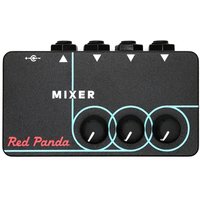
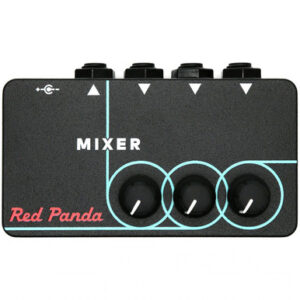
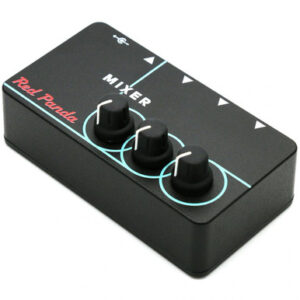
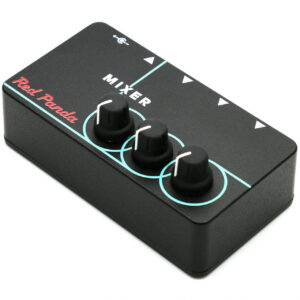
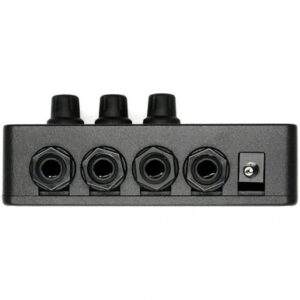
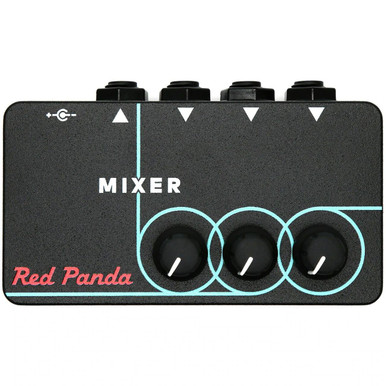
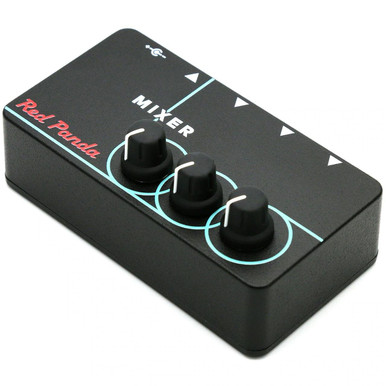
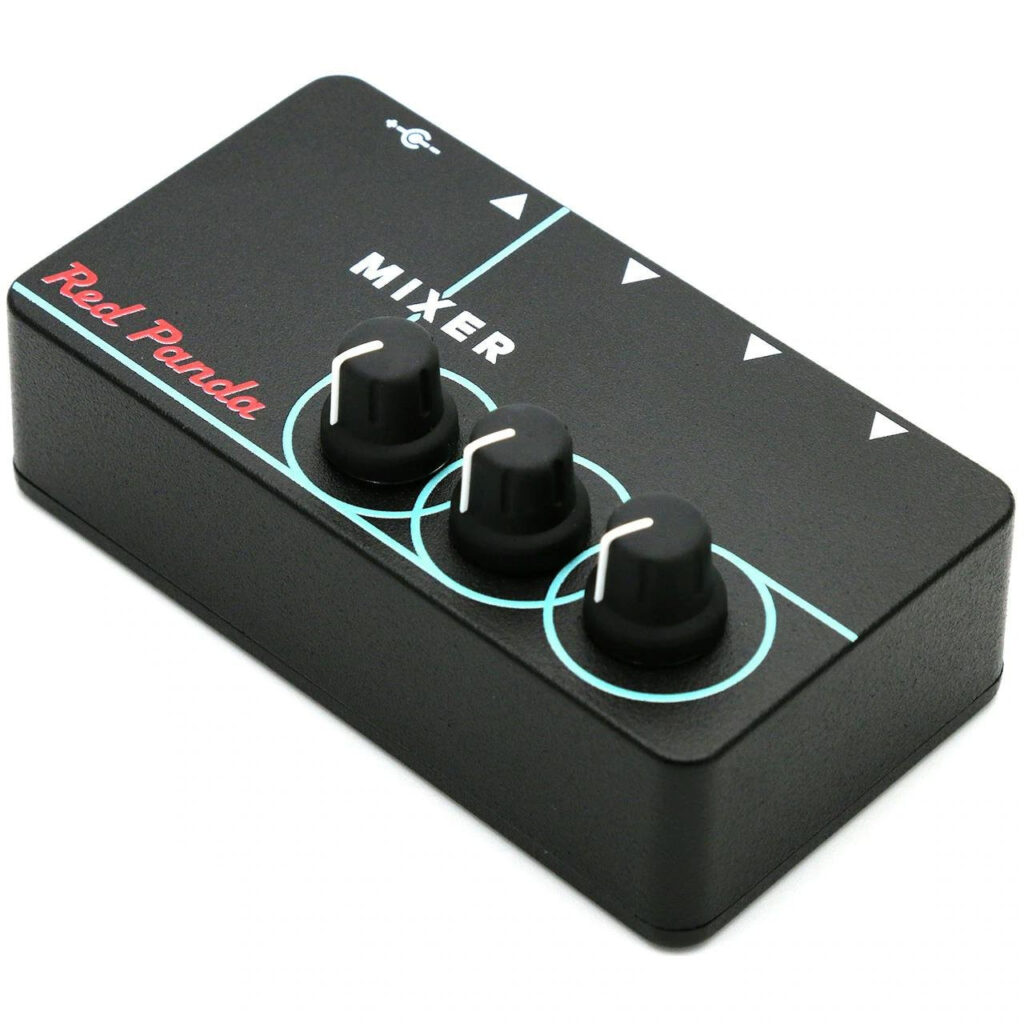
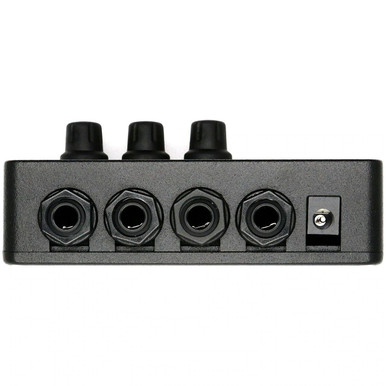
The Bit Mixer is a small, high-quality mixer designed for pedalboards. It features ultra-low distortion, low noise op amps. High-impedance inputs are designed for guitar, but work with line level signals as well. Each input has a volume knob that goes from off to unity gain.  Only 4.4” x 2.6”, and works with standard pedal power supplies from 9-18 V.  Designed and assembled in USA.

The Bit Mixer is always on when power is connected. An internal LED is visible below the power jack.

Key Features

  • Connect multiple instruments to one amp
  • Combine parallel effects chains
  • Clean blend or analog dry path

Related videos

Brand

Red Panda

Red Panda, based in Canada, is renowned for its innovative and high-quality guitar effects pedals that push the boundaries of sound manipulation. Founded by a team of audio engineers and musicians, the company has become known for its unique approach to digital effects, combining advanced technology with creative sound design.

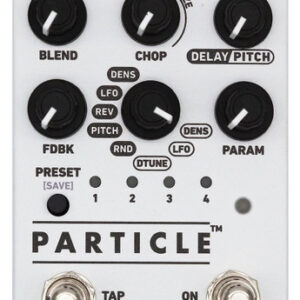
Notable products from Red Panda include the **Context** reverb, which offers a range of ambient and ethereal sounds, and the **Particle** delay, known for its granular delay effects that can transform sounds in intriguing ways. Their pedals are celebrated for their precision, versatility, and the ability to produce complex, otherworldly textures. Red Panda’s commitment to crafting distinctive and powerful tools makes their pedals a favourite among musicians looking for cutting-edge effects to enhance their sonic palette.

Category

Specialist Effects Pedals

Specialist effects alter the signal in ways that do not sit cleanly inside one established family. They may use granular processing, frequency shifting, resonators, freeze or sustain, bit reduction, ring modulation, feedback networks or combinations of several techniques. The relevant distinction is the underlying process, its tracking or latency, and how completely the dry signal can be blended or replaced.

Tags

Analogue

The signal is shaped by continuously varying electronic circuitry rather than being converted into a digital effect algorithm. Component choice, operating voltage and circuit tolerances influence headroom, noise, clipping texture and the small variations in response between designs.