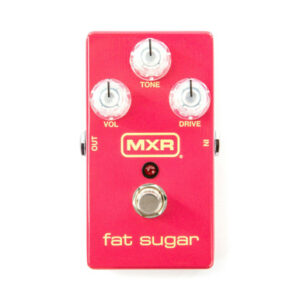
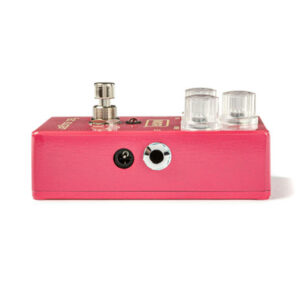
Brand
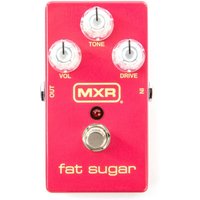
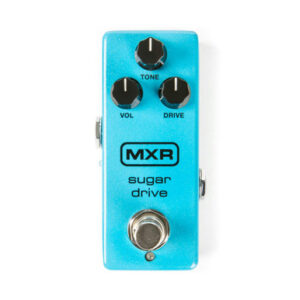
MXR is a renowned manufacturer of guitar effects pedals and audio electronics, recognized for their classic designs and high-quality sound. Established in the 1970s, MXR has played a significant role in shaping the landscape of effects pedals, producing iconic units that have become staples in countless musicians’ rigs. The company’s pedals are celebrated for their rugged construction, intuitive controls, and versatile tones, making them popular among guitarists and bassists across genres.
MXR’s product lineup encompasses a wide range of effects categories, including distortion, delay, modulation, and more. Some of their most notable pedals include the Phase 90 phaser, the Dyna Comp compressor, and the Carbon Copy analog delay, all of which have earned legendary status among players for their distinctive sound and reliability. With a legacy of innovation and a commitment to quality, MXR continues to be a respected name in the world of guitar effects, inspiring musicians to explore new sonic possibilities and express themselves creatively.
Category
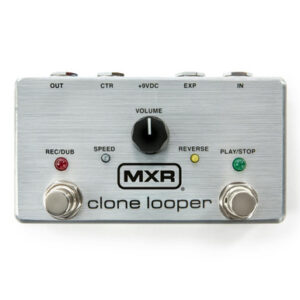
Specialist effects pedals sit outside the standard overdrive, delay, reverb and modulation boxes, or combine those processes in unusual ways. This broad category can include ring modulation, granular and sample-based effects, freeze and sustain devices, feedback tools, lo-fi processors, envelope circuits, rotary simulation, glitch, experimental filters and signal routers. The description on the individual product matters because the controls and signal path vary widely. Look for tracking, latency, dry blend, expression or MIDI support, headroom and bypass behaviour; specialist does not mean random, but it does mean the usual effect label is not enough.
Tags
Keeps an active buffer in the signal path when bypassed, helping drive long cable runs and high-capacitance boards. It can alter loading and is not the same as true bypass.
Connects input directly to output through mechanical or relay switching when the effect is off, removing the active circuit from the audio path. It avoids buffer colour but leaves cable capacitance and switching design to influence high-frequency loss and possible switching noise.