Brand
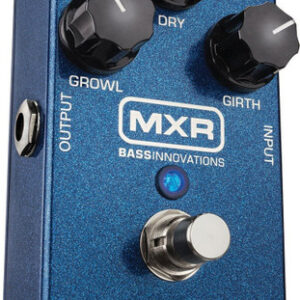
MXR is a renowned manufacturer of guitar effects pedals and audio electronics, recognized for their classic designs and high-quality sound. Established in the 1970s, MXR has played a significant role in shaping the landscape of effects pedals, producing iconic units that have become staples in countless musicians’ rigs. The company’s pedals are celebrated for their rugged construction, intuitive controls, and versatile tones, making them popular among guitarists and bassists across genres.
MXR’s product lineup encompasses a wide range of effects categories, including distortion, delay, modulation, and more. Some of their most notable pedals include the Phase 90 phaser, the Dyna Comp compressor, and the Carbon Copy analog delay, all of which have earned legendary status among players for their distinctive sound and reliability. With a legacy of innovation and a commitment to quality, MXR continues to be a respected name in the world of guitar effects, inspiring musicians to explore new sonic possibilities and express themselves creatively.
Category
MXR is a renowned manufacturer of guitar effects pedals and audio electronics, recognized for their classic designs and high-quality sound. Established in the 1970s, MXR has played a significant role in shaping the landscape of effects pedals, producing iconic units that have become staples in countless musicians’ rigs. The company’s pedals are celebrated for their rugged construction, intuitive controls, and versatile tones, making them popular among guitarists and bassists across genres.
MXR’s product lineup encompasses a wide range of effects categories, including distortion, delay, modulation, and more. Some of their most notable pedals include the Phase 90 phaser, the Dyna Comp compressor, and the Carbon Copy analog delay, all of which have earned legendary status among players for their distinctive sound and reliability. With a legacy of innovation and a commitment to quality, MXR continues to be a respected name in the world of guitar effects, inspiring musicians to explore new sonic possibilities and express themselves creatively.
Tags
Expression pedals allow real-time control over specific parameters on compatible guitar pedals, such as volume, delay time, modulation depth, or filter sweep. Used with an expression input, they let players shape effects dynamically with their foot, adding movement and performance control that cannot be achieved with fixed knob settings.
A fuzz pedal is one of the earliest and most aggressive forms of distortion, turning your clean guitar signal into a thick, saturated wall of sound. It works by clipping the waveform almost flat, creating a compressed, gritty tone full of harmonic overtones. The result is raw, unruly, and unmistakable — from the sputtering breakup of vintage germanium circuits to the searing sustain of modern silicon designs. Fuzz pedals react strongly to your guitar’s volume and pickup choice, making them dynamic tools for expressive players.
Whether you’re chasing the classic tones of Hendrix and the Smashing Pumpkins or exploring heavy, experimental textures, fuzz remains a favourite for its personality and unpredictability. It can sound smooth and sustaining, or wild and velcro-like, depending on how it’s set up. A good fuzz pedal cuts through the mix while adding thickness and attitude, turning any riff or lead line into something bold and unmistakably alive.
Your pedal is like a signature dish for your sound — a flavour-packed creation that transforms the bland ingredients of your guitar into something unforgettable. Each one adds its own seasoning, texture, and heat, turning a simple meal into a feast of tone.
These tasty little boxes sit in a row, like plates on a buffet, letting you mix and match flavours as you play. With one tap of your foot, you can swap sweet for spicy, subtle for smoky, and serve up something completely new. From the comfort food of warm overdrive to the fiery kick of fuzz, from smooth jazz sauce to heavy-metal spice, pedals give players a full menu of options to express their taste. And just like with food, once you’ve tried one dish, you’ll want to sample them all.
Collecting, trading, and discovering new flavours soon becomes part of the joy of being a tone-loving gourmet geek with a guitar.
This is brand new, fresh in, and a UK warranty is included. New Gear always comes from trusted UK music retailers.
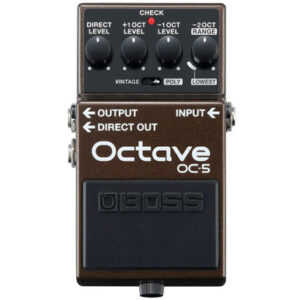
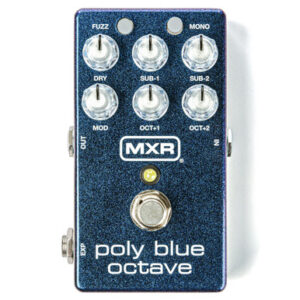
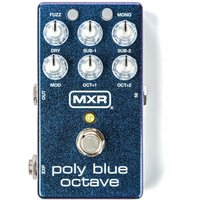
An octave pedal shifts your guitar signal up or down by one or more octaves, blending the altered pitch with your original sound to create a fuller, more complex tone. It can add a deep, bass-like layer underneath your playing or a shimmering high octave on top for lead lines and solos. Classic analogue octave pedals often produce slightly gritty, organic sounds, while modern digital versions track more precisely and can offer multiple octave ranges.
Octave pedals are great for thickening single-note riffs, creating synth-style textures, or even mimicking bass parts when playing alone. They pair well with fuzz or overdrive pedals for massive, harmonically rich tones. Whether you’re after vintage Hendrix-style octave fuzz or a modern polyphonic sound that tracks chords cleanly, an octave pedal opens up a world of creative possibilities and adds real weight and character to your tone.
Pitch pedals alter the frequency of your guitar signal, changing the perceived note or adding harmony. They can shift notes up or down by fixed intervals, create harmonies, or produce dive-bomb and whammy-style effects without a tremolo arm. Pitch shifters and harmonisers are great for thickening solos, simulating multiple guitars, or experimenting with creative, otherworldly sounds that expand your tonal range.
Rotary pedals recreate the swirling, moving sound of a rotating speaker cabinet, adding rich modulation and a sense of motion to guitar tones. They typically simulate the changing pitch and volume caused by spinning speakers, producing anything from subtle shimmer to deep, pulsating swirl. Rotary effects are often used for clean and lightly driven sounds to add depth, movement, and a classic, organ-inspired character.
A synth pedal transforms your guitar signal into rich, layered tones that mimic the sounds of a synthesiser. Using pitch tracking and waveform generation, it can produce everything from deep bass lines to shimmering pads and futuristic leads. Synth pedals open up a wide creative range, blending the expressiveness of guitar playing with electronic textures, making them ideal for experimental sounds, ambient music, or adding a modern edge to classic riffs.
Volume pedals control the output level of a guitar signal using a foot-operated treadle. They allow smooth volume swells, dynamic control during playing, and easy muting between songs. Volume pedals can be placed at different points in the signal chain to either control overall loudness or adjust gain and drive behaviour when positioned before distortion or overdrive pedals.