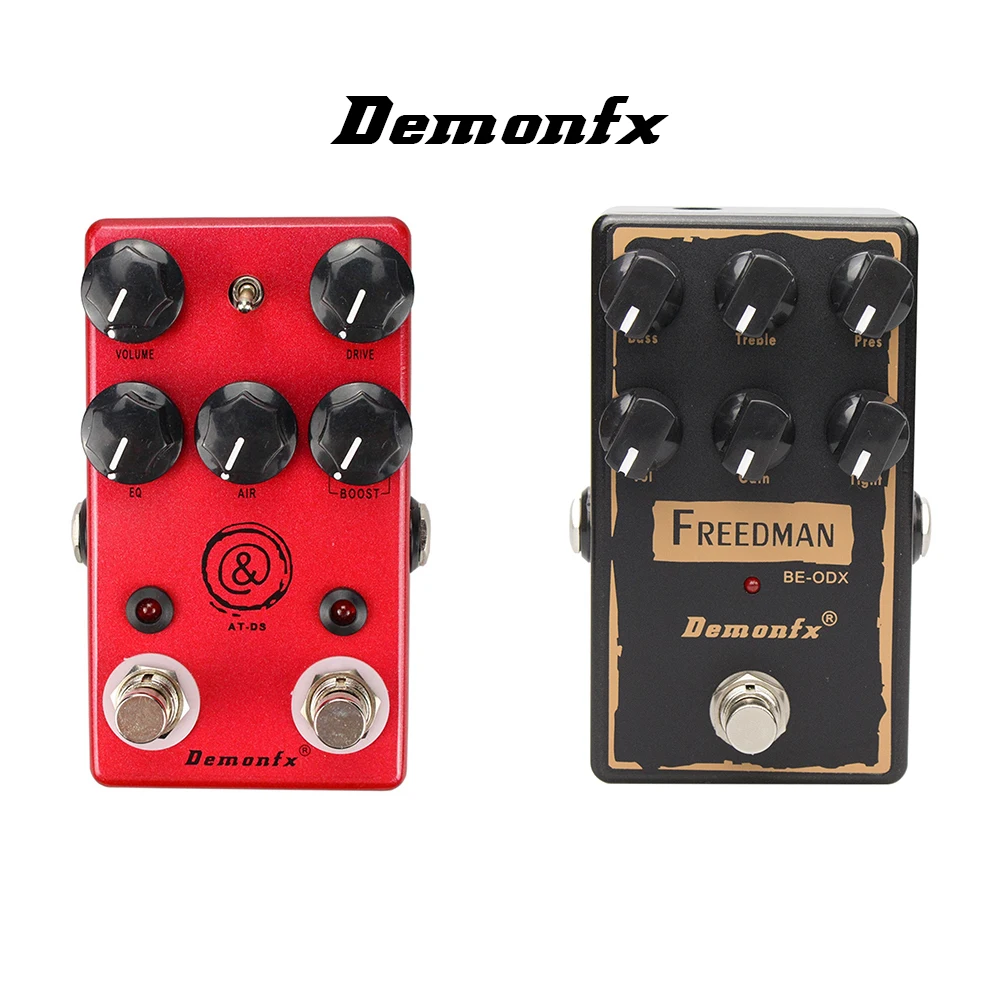
Here at JustPedals we think you can rely on Demonfx to make great Guitar Pedals. Check out the Demonfx AT-DS Freedman BE-ODX Pedal Overdrive Distortion Delay CHorus AUTOWAH Pedal on JustPedals now. Demonfx AT-DS Freedman BE-ODX Guitar Effect Pedal Overdrive Distortion Delay CHorus AUTOWAH Pedal
Demonfx AT-DS Freedman BE-ODX Pedal Overdrive Distortion Delay CHorus AUTOWAH Pedal
£30.19
The Demonfx AT-DS Freedman BE-ODX Pedal Overdrive Distortion Delay CHorus AUTOWAH Pedal is new on JustPedals, and instock direct. Demonfx AT-DS Freedman BE-ODX Guitar Effect Pedal Overdrive Distortion Delay CHorus AUTOWAH Pedal
View Just Demonfx
As an affiliate partner, we may earn a small commission when you buy through our links — at no extra cost to you.
Brand
Demonfx
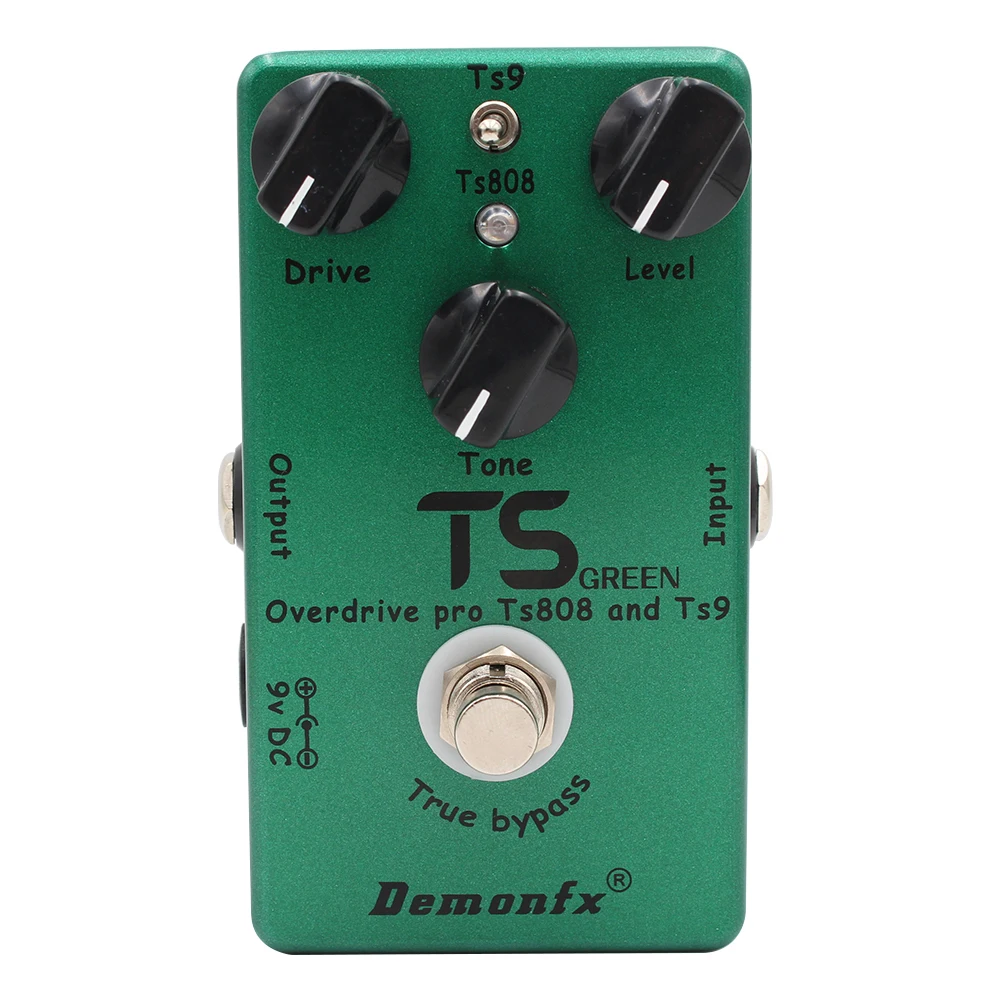
In the current JustPedals catalogue, Demonfx is represented by Overdrive Pedals, Distortion Pedals and Chorus Pedals. Current listings include TS808 TS GREEN Overdrive, AT-DS High Quality and AT-DS. That makes the range relevant to players looking for drive, gain and clipping, plus time-based effects and ambience. Check each model for its exact circuit or processing platform, controls, power requirements and connections, particularly where the catalogue includes both pedals and supporting gear.
Category
Chorus Pedals
Chorus mixes the dry signal with one or more short, continuously modulated delays. The small pitch and timing movement between the paths creates width, shimmer and the impression of several instruments playing together. Rate controls the modulation speed, depth controls its excursion, and delay or mix settings determine whether the result is subtle thickening, a liquid wobble or a broad stereo image.
Delay Pedals
Delay records the incoming signal for a chosen interval and repeats it after the original note. Feedback returns repeats to the delay line, while tone, filtering, modulation and saturation determine whether echoes remain clear, darken progressively, wobble like tape or degrade like analogue bucket-brigade circuits. Delay time and rhythmic subdivisions govern the spacing and musical pattern of the repeats.
Distortion Pedals
Distortion clips the waveform more firmly than overdrive, generating dense upper harmonics, longer sustain and a more compressed response. Circuit topology and filtering decide whether the sound is tight and focused, broad and aggressive, smooth or deliberately abrasive. Gain sets the amount of clipping, while pre- and post-distortion tone controls strongly influence low-end definition, midrange presence and high-frequency texture.
Guitar Pedals
Guitar pedals are compact devices placed in the signal path to change level, tone, dynamics, pitch, time, modulation or routing. This broad category includes simple analogue effects, digital processors, switching and utility products, so the most important differences are the circuit function and connection method. Check whether a model expects instrument or line level, how it is powered, whether it preserves bass or stereo information, and how its bypass behaves with the rest of the board.
Overdrive Pedals
Overdrive uses soft or moderate clipping to add harmonics and compression while retaining more of the original note shape than heavy distortion. Some circuits emphasise the midrange and trim bass before clipping; others remain broad, transparent or amplifier-like. Gain, clipping arrangement, headroom and tone filtering decide whether it supplies a light edge, a saturated drive sound or extra push into another gain stage.
Tags
Chorus
Adds one or more slightly delayed voices whose delay time is continuously modulated. Their small pitch and timing differences thicken the source and create shimmer or stereo width; modulation rate, depth, base delay and mix determine how subtle or liquid the movement becomes.
Delay
Creates one or more time-separated copies of the signal. Delay time sets their spacing, feedback determines how many repeats continue, and filtering, modulation or saturation decides whether successive echoes remain clean, darken, wobble or break apart.
Distortion
Clips the waveform firmly and adds a dense series of harmonics with compression and sustain. The clipping devices, gain stages and tone filters determine whether the result is tight, smooth, mid-focused, scooped, grainy or deliberately abrasive.
Overdrive
Uses moderate clipping and gain-dependent compression to add harmonics while retaining much of the original note contour. Bass filtering, mid emphasis, clipping symmetry and available headroom decide whether it sounds open and amplifier-like, tightly focused or heavily saturated.
Wah
Sweeps a resonant filter through the spectrum to create vowel-like changes in tone. The treadle or automatic control moves the centre frequency, while sweep range, resonance, input loading and mechanical taper determine how sharply and where the voice changes.
Others Just Ordered :
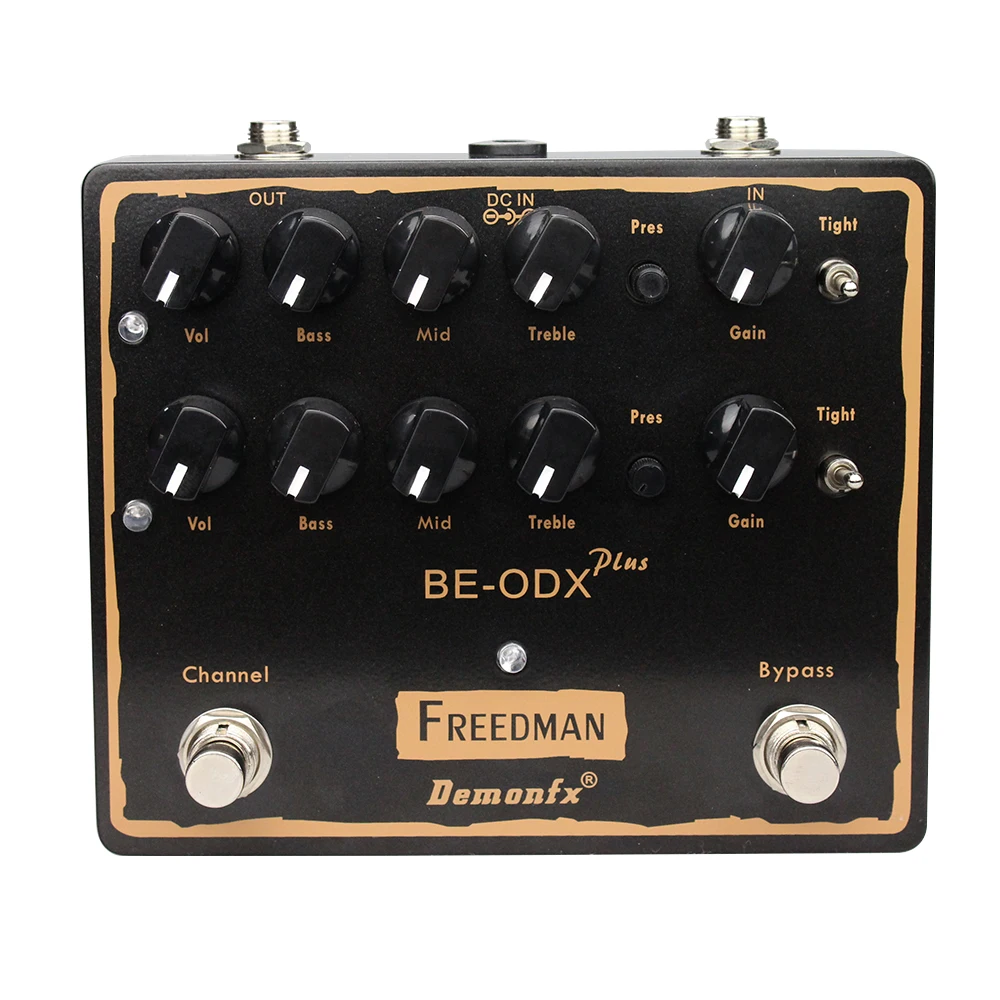 New BE-ODX DemonFX High Quality Plus BE-OD Deluxe Overdrive Distortion Chorus Pedal Double
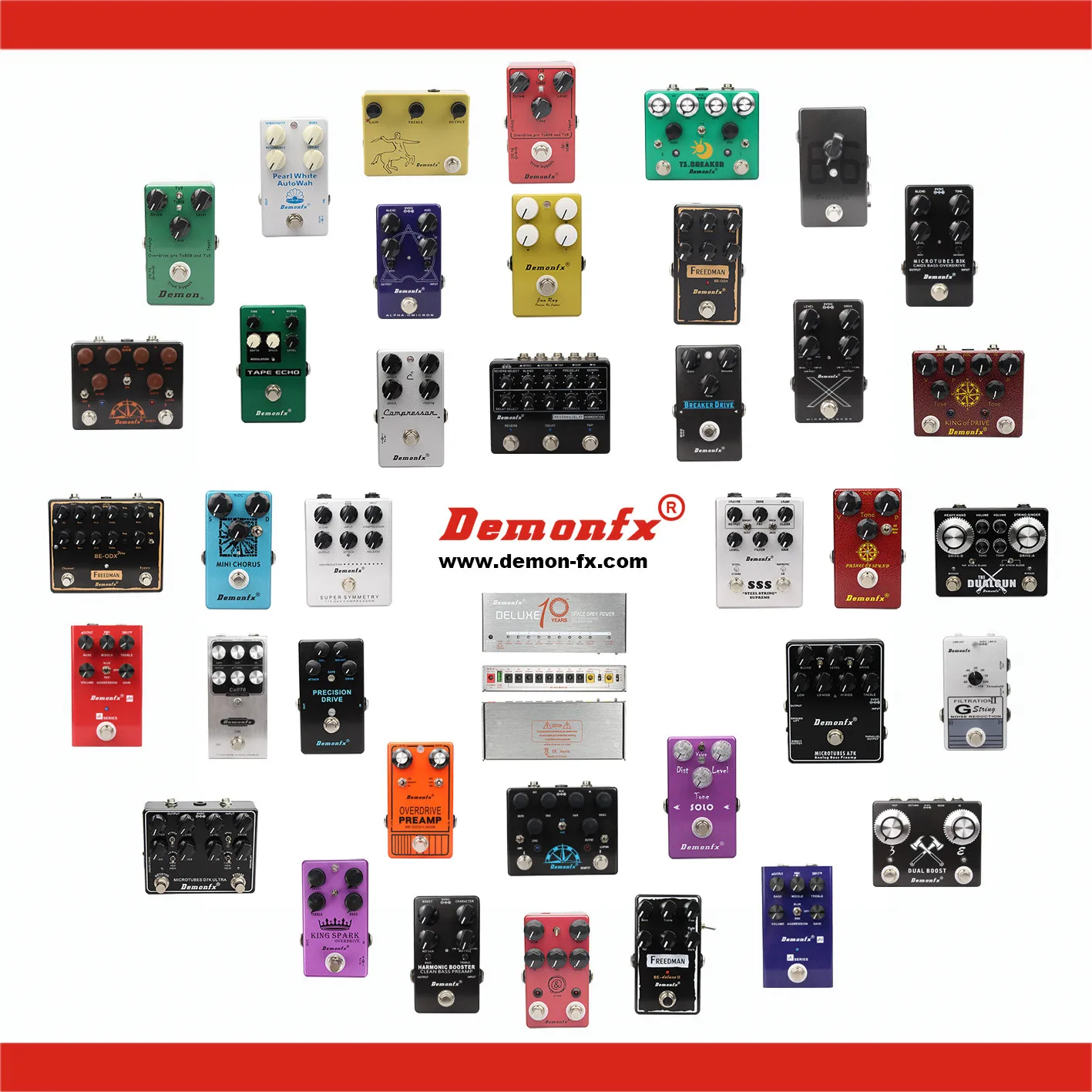 Demonfx High quality Guitar Effect Pedal Wah Distortion Overdrive Delay Reverb Compressor Booster Pedal
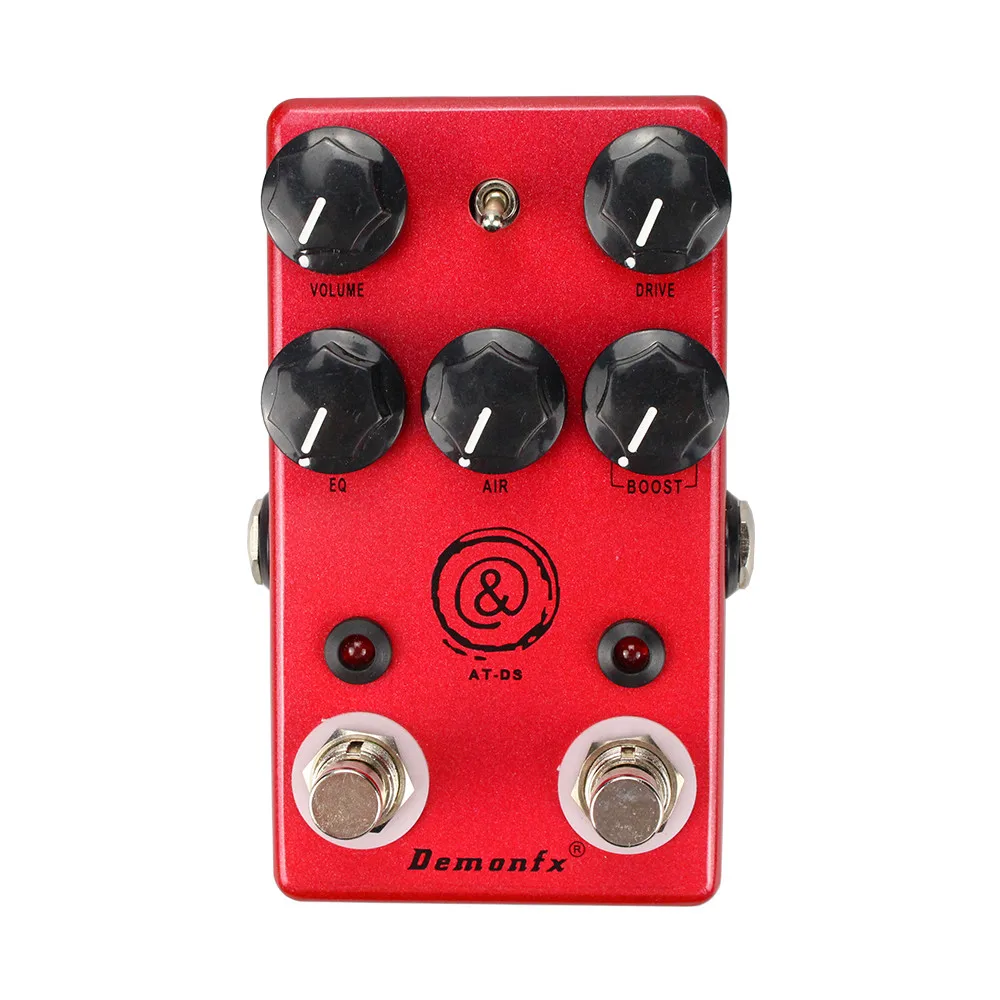 Demonfx AT-DS High Quality Pedal Overdrive Distortion True Bypass
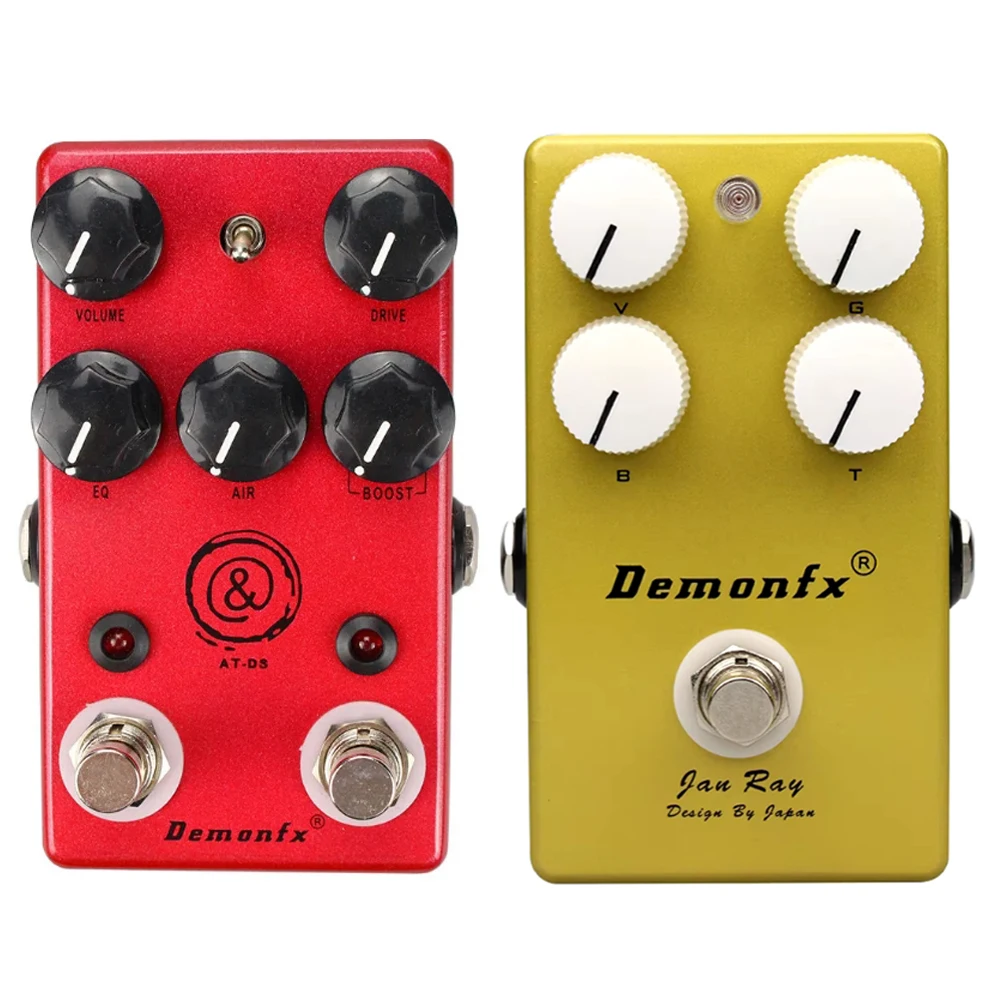 Demonfx AT-DS Pedal Overdrive True Bypass Jan Ray Overdrive Pedal Pedal Drive
- I Love A Happy Accident… – Animals Pedal
- Animals Pedal Vintage Van Driving is Very Fun Overdrive
- Animals Pedal Sunday Afternoon Is Infinity Bender
- Ninevolt Pedals | Bath Time Reverb (Animals Pedal)
- This Fuzz Pedal Makes No Sense… But It Sounds Incredible
- ANIME Pedals | Animals Pedal Custom Illustrated Series